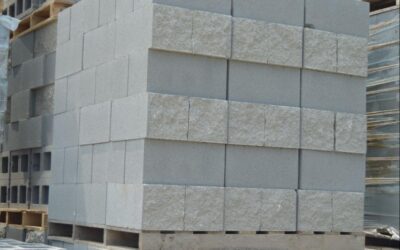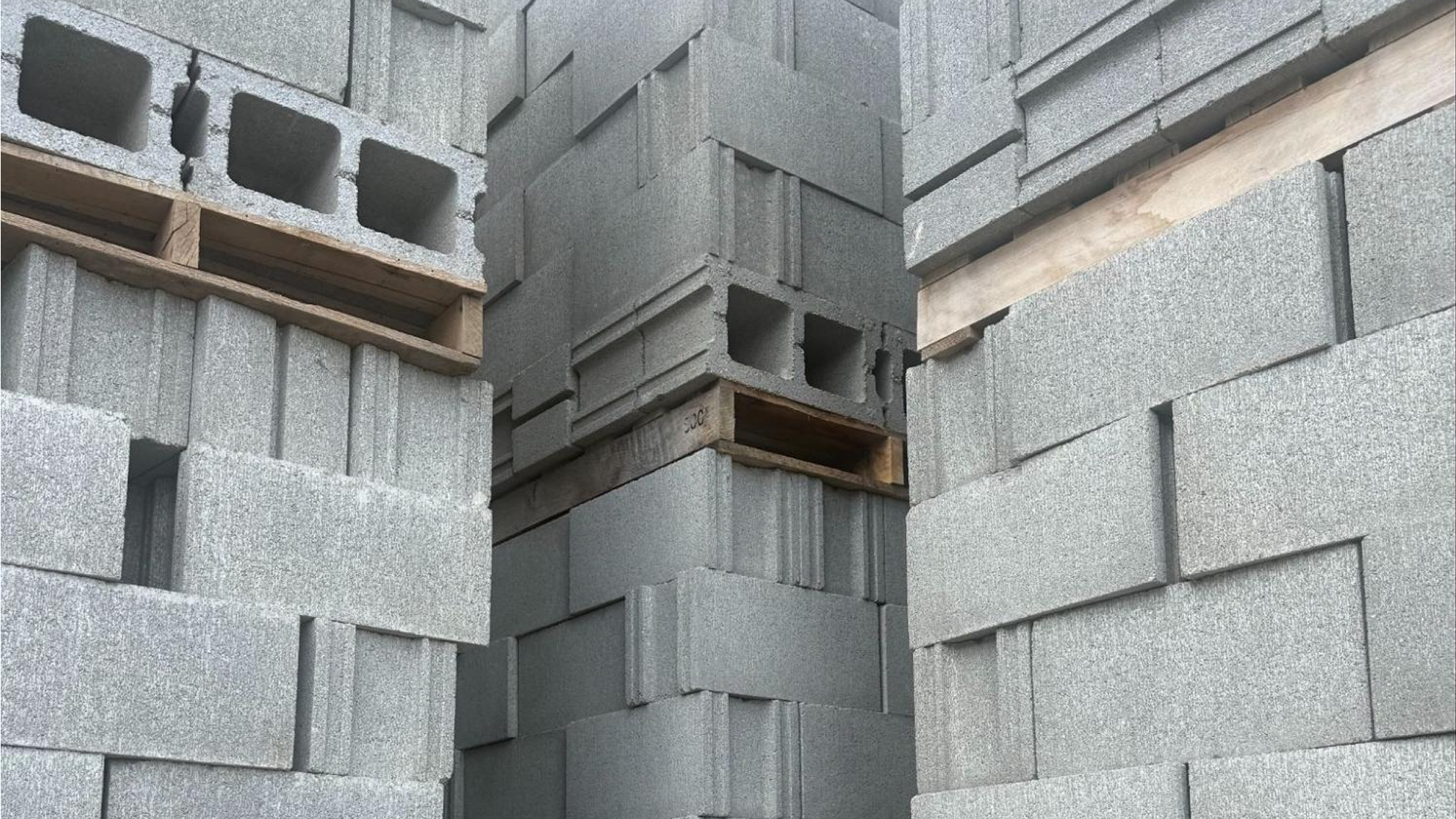
When a building goes up, most people notice the finish. The paint color, the windows, the landscaping. What they do not see is what actually holds everything together. Below the surface, behind the walls, and underneath the floors, block quality is doing the work that determines whether a structure lasts 20 years or 100.
Concrete masonry blocks are one of the most widely used building materials in construction, and for good reason. They are durable, fire-resistant, cost-effective, and versatile enough to be used in everything from residential foundations to commercial retaining walls. But not all blocks are created equal, and choosing the wrong product can set a project up for serious problems that show up years after the last piece is laid.
If you are a contractor, builder, or serious DIYer who wants to understand what separates a solid build from a compromised one, this guide is for you.
What Structural Integrity Actually Means in Masonry
Structural integrity in masonry construction refers to the ability of a wall or foundation system to carry its intended load without deforming, cracking, or failing over time. It sounds simple, but achieving it depends on a chain of decisions that starts before the first block is ever set.
The mortar has to bond properly. The rebar has to be placed correctly if the design calls for it. The grout fill has to be done right. But none of that matters if the block itself is compromised. A block with low compressive strength, inconsistent dimensions, or poor absorption characteristics can undermine even the most skilled installation.
This is not a theoretical concern. Structural failures tied to substandard concrete masonry blocks are well-documented in the construction industry. Settling, cracking, moisture infiltration, and in severe cases, partial wall collapse are all outcomes that trace back to block quality.
Key Quality Factors in Concrete Masonry Blocks
Compressive Strength
Compressive strength is the most fundamental measurement of block quality. It tells you how much load the block can carry before it begins to fail. For standard load-bearing walls, blocks must meet minimum compressive strength thresholds defined by ASTM standards. Blocks that fall short of these thresholds may perform fine under low load conditions but crack or crumble when stress increases.
When sourcing building supplies from a reputable building construction materials supplier, you should be able to request or verify that blocks meet ASTM C90 standards for load-bearing concrete masonry units. A supplier who cannot provide this information is a red flag.
Dimensional Consistency
Block dimensions may seem like a minor detail, but inconsistency creates serious problems at scale. When blocks vary even slightly in height, length, or width, mortar joints become uneven, walls go out of plumb, and the cumulative effect over dozens of courses can throw off structural alignment significantly.
Consistent dimensions also make the job faster and reduce waste. A crew working with high-quality, consistent blocks moves efficiently. A crew fighting dimensional variation spends extra time shimming, adjusting, and compensating, which drives up labor costs and reduces the quality of the finished wall.
Moisture Absorption Rate
This one catches a lot of builders off guard. Concrete masonry blocks with an absorption rate that is too high or too low create bonding problems with mortar. If a block absorbs moisture too aggressively, it pulls water out of the mortar before it can cure properly, resulting in a weak bond that is vulnerable to cracking and water infiltration. If it absorbs too little, the mortar cannot develop the mechanical bond needed for structural integrity.
The absorption rate of the blocks you use should align with the mortar type specified for your application. Reputable manufacturers and building construction materials suppliers can provide this data, and it is worth asking for on any significant project.
Void and Web Integrity
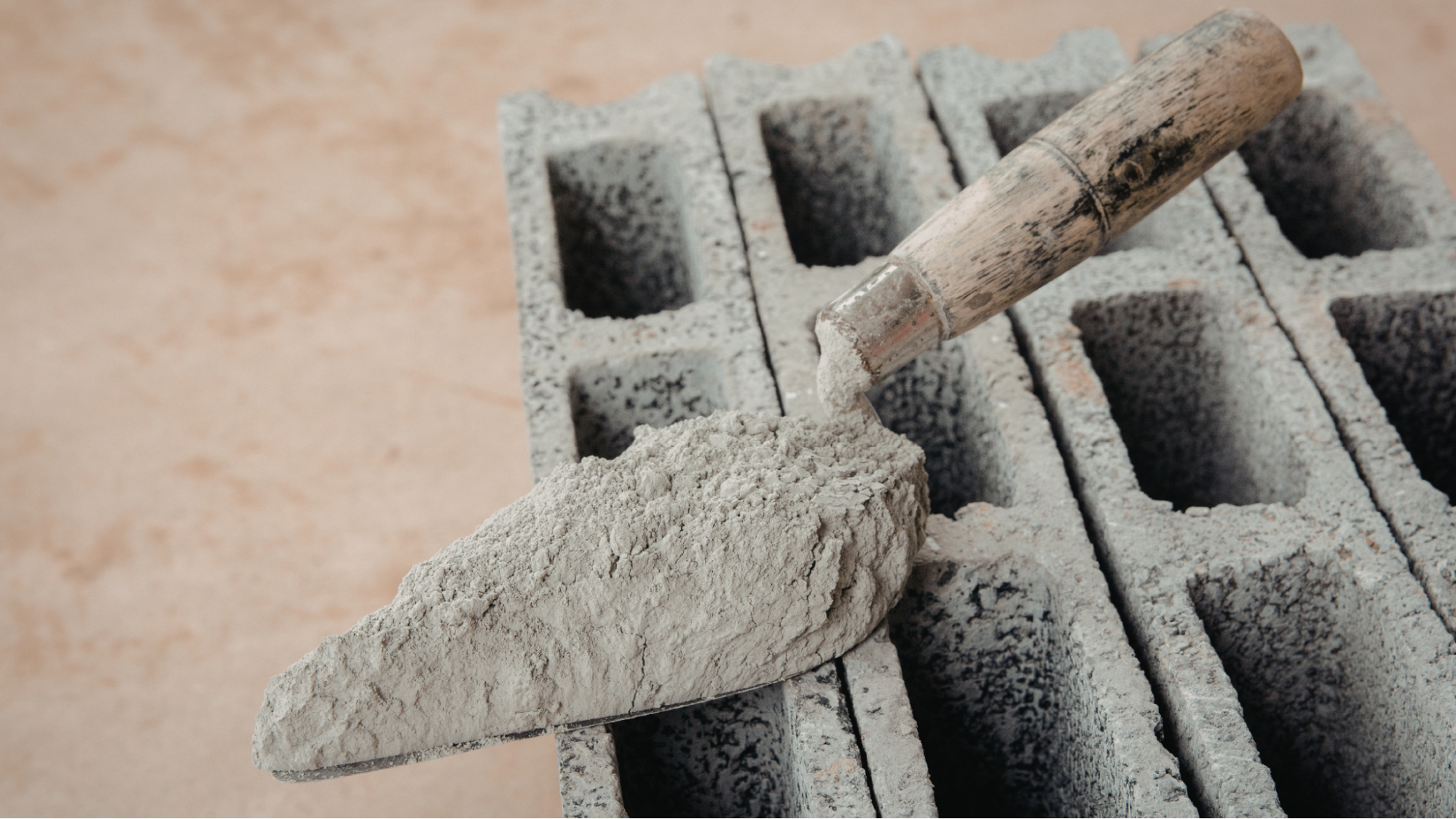
The internal structure of a concrete masonry block, meaning the webs that separate the voids and the consistency of the face shells, directly affects how the block performs under load and how it accepts grout fill. Thin or inconsistent webs can fracture under lateral pressure. Irregular voids make grout filling less predictable and can leave uncaught air pockets that weaken the finished wall.
High-quality blocks have uniform void configurations and adequately thick face shells and webs. This is where the difference between budget blocks and quality building supplies becomes physically visible when you pick one up and look at it.
The Cost of Cutting Corners on Block Quality
The price difference between low-quality and high-quality concrete masonry blocks may seem attractive when you are looking at a large project budget. But that difference evaporates quickly when you factor in the real costs of substandard material.
Structural repairs to masonry are expensive. Tearing out and replacing a compromised wall or foundation section costs far more than the premium on better blocks would have. Moisture problems that develop due to poor absorption characteristics lead to mold, efflorescence, and interior damage. And in the worst case, structural failures can create liability and safety issues that no project budget can absorb.
The consistent message from experienced contractors and structural engineers is the same: do not save money on the core structural material. Spend it on labor, finishing, and everything else if you need to cut somewhere. But the blocks in the ground and in the walls are the foundation of everything else.
What to Ask Your Building Construction Materials Supplier
When you are sourcing concrete masonry blocks for a project, here are the questions that tell you whether you are working with a supplier who takes quality seriously.
- Do your blocks meet ASTM C90 standards for load-bearing use?
- What is the compressive strength rating of the standard CMU blocks you carry?
- Are block dimensions held to consistent tolerances across production runs?
- Do you carry specialty blocks such as corner units, half blocks, or bond beam blocks for my specific application?
A supplier who can answer these questions clearly and confidently is one you can trust with your building supplies. One who cannot should give you pause.
The Right Blocks for the Right Application
Not every project requires the same block specification. Retaining walls have different requirements than load-bearing interior walls, which have different requirements than decorative landscape applications. Working with a knowledgeable building construction materials supplier who understands these distinctions can save you from over-specifying and overspending on one part of a project while under-specifying on another.
The goal is always the same: a structurally sound build that performs as designed for the life of the structure. That starts with honest conversations about what the application actually demands and ends with blocks that are up to the task.
Pioneer Masonry Supply: Quality Blocks and Building Supplies You Can Count On
Pioneer Masonry Supply serves contractors and builders across Marietta, Parkersburg, and surrounding areas with a broad inventory of concrete masonry blocks and building construction materials. From standard CMU units to specialty blocks for specific applications, the team at Pioneer knows the product and knows how to match it to your project requirements.
Stop by our locations in Marietta or Parkersburg, or reach out to our team today to discuss your next build. Quality building supplies from a supplier who stands behind every product, that is the Pioneer Masonry difference.
Frequently Asked Questions
Q: What is the standard compressive strength requirement for load-bearing concrete masonry blocks?
A: Per ASTM C90 standards, load-bearing concrete masonry units must have a minimum net area compressive strength of 1,900 psi. For structural applications where significant loads are expected, higher-strength blocks may be specified by an engineer. Always verify that your building supplies meet the minimum standard for your application and consult your project specs before ordering.
Q: Can I use standard concrete masonry blocks for a retaining wall?
A: Standard CMU blocks can be used for small retaining walls, but larger or more demanding retaining applications typically require engineered designs and may call for specific block types, proper drainage design, and rebar reinforcement. Consult with your building construction materials supplier and consider involving a knowledgeable contractor or a structural engineer for any retaining wall over 4 feet in height or where soil conditions or surcharge loads are significant.