Tile is everywhere. It is on kitchen backsplashes and bathroom floors, in shower enclosures and laundry rooms, on countertops and behind ranges. It is one of the most popular finishing materials in residential construction, and for good reason. Done right, tile looks great and lasts for decades.
Done wrong, it becomes a very expensive problem.
The most common mistake people make when choosing tile is treating it as purely a visual decision. You find a color you love, you order it, and you install it. But in high-moisture environments, the wrong tile choice can lead to cracking, staining, mold growth behind the wall, and full-blown substrate failure that requires tearing out everything and starting over.
Whether you are renovating a bathroom, updating a kitchen, or tiling a wet room for the first time, this guide walks you through what actually matters when choosing tile for areas that stay wet.
Understanding the Environment Before You Choose the Tile
Not all bathrooms are created equal. A powder room that sees minimal moisture is a different environment from a steam shower that runs daily. A kitchen backsplash that occasionally catches cooking splatter is different from a kitchen floor that gets mopped every day. Before you even start browsing tile options, you need to honestly assess the moisture exposure your tile will face.
Three categories to consider: constant wet areas such as showers and wet rooms where water directly contacts the surface; intermittent wet areas such as bathroom floors, kitchen floors, and tub surrounds; and splash zones such as backsplashes and countertops where moisture exposure is occasional.
The more water exposure, the more demanding your tile and installation requirements need to be.
Porcelain vs Ceramic: Understanding the Difference
Porcelain and ceramic tile both come from fired clay, but they are manufactured differently and perform differently in wet environments. Understanding the distinction is essential before you make any purchasing decision.
Ceramic Tile
Ceramic bathroom tile flooring is made from a less refined clay mixture and fired at lower temperatures. The result is a tile that is slightly more porous than porcelain, which means it absorbs water more readily. For wall applications and low to moderate moisture environments, ceramic tile is an excellent and cost-effective choice. It is easier to cut, lighter to handle, and available in an enormous range of styles and finishes.
The limitation shows up in high-traffic wet floor applications. Higher water absorption means more potential for staining, freeze-thaw damage in exterior applications, and in very wet indoor environments, a greater chance of moisture working its way through the tile over time if the grout or sealant is compromised.
Porcelain Tile
Porcelain is made from a more refined clay and fired at higher temperatures. The result is a denser, harder, less porous tile that absorbs significantly less water. ANSI standards define porcelain as a tile with a water absorption rate of 0.5 percent or less. That density makes it the superior choice for high-moisture floor applications, commercial kitchens, steam showers, and any environment where performance under sustained water exposure matters.
Porcelain and ceramic tile often look nearly identical on a showroom floor, but the performance gap in a wet environment is real. If you are tiling a shower floor, a bathroom floor that takes on regular moisture, or a kitchen where spills and cleaning are frequent, porcelain is the smart investment.
Tile Ratings: What the Numbers Mean
Tile is rated for slip resistance and for wear, and both of these ratings matter significantly in high-moisture areas.
Slip Resistance (DCOF Rating)
The Dynamic Coefficient of Friction, or DCOF, measures how much grip a tile surface provides when wet. Tiles intended for floor use in wet areas should have a DCOF rating of 0.42 or higher. Tiles with a lower rating can be dangerously slippery when wet. This is not a stylistic concern. It is a safety concern that you do not want to discover the hard way.
Textured tiles, matte finishes, and smaller format tiles with more grout lines all tend to perform better for slip resistance than large format polished tiles. If you love the look of large polished porcelain, save it for walls and dry areas.
PEI Hardness Rating
The Porcelain Enamel Institute rating, or PEI, measures a tile’s resistance to surface wear and abrasion. It runs from 0 to 5. Tiles rated 0 to 2 are suitable only for walls. Tiles rated 3 to 5 are appropriate for floors depending on the traffic level. In a residential bathroom floor, a PEI rating of 3 is typically sufficient. In a kitchen that sees heavy use, a rating of 4 is recommended.
Grout and Waterproofing: The Part Most People Underestimate
Choosing the right tile is only half the equation. The grout and the waterproofing system underneath are just as important in high-moisture environments.
Standard unsanded and sanded cement grout is porous. In a shower or bathroom floor, it needs to be sealed regularly to prevent moisture infiltration and staining. Epoxy grout is a more durable alternative that resists moisture, staining, and mold far better than cement-based grout. It costs more and is harder to install, but in a shower or kitchen application, it is worth considering.
Underneath the tile, the substrate needs to be waterproof or, at a minimum, moisture-resistant. Cement board is the standard substrate for wet area tile installations because it does not deteriorate when it gets wet, the way drywall does. For shower enclosures and wet rooms, a waterproof membrane over the cement board adds an important additional layer of protection. No matter how well your ceramic bathroom tile flooring is installed, if the substrate behind it fails, everything has to come out.
Style Considerations That Still Make Sense in Wet Areas
Choosing tile for high-moisture areas does not mean sacrificing style. The range of porcelain and ceramic tile available today in terms of color, texture, pattern, and format is genuinely impressive.
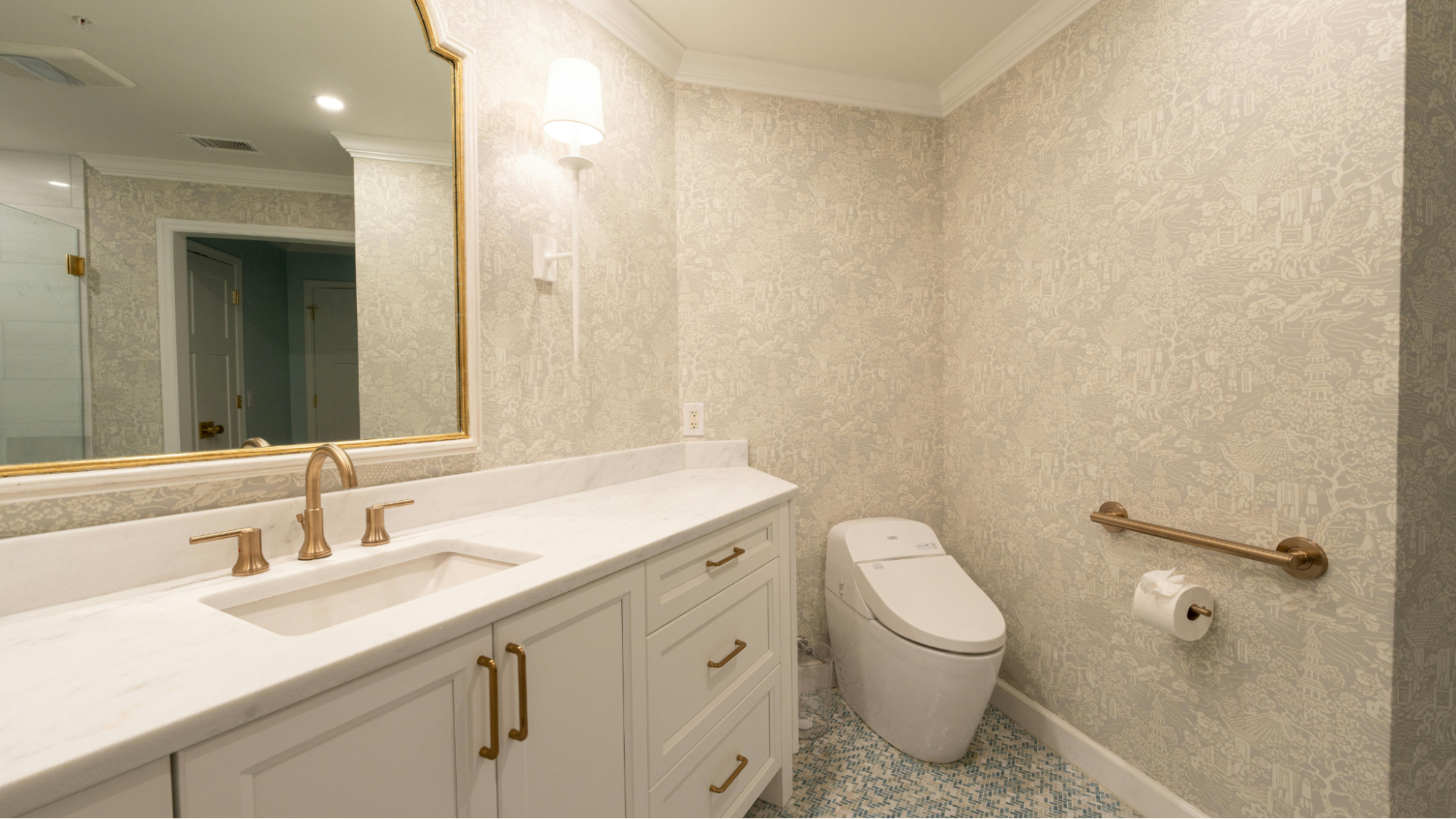
Large format tiles are currently very popular in bathrooms, and they can work well on walls and in dry to moderate areas. In wet floor applications, consider using the large format on walls and a smaller format with better grip characteristics on the floor. Mosaic tiles, which have more grout lines, provide excellent traction and work beautifully as shower floors and accents.
Matte and textured finishes have been gaining significant ground over glossy tiles for precisely the reasons already discussed. They perform better underfoot when wet, and they hide water spots and everyday wear more effectively than highly polished surfaces.
The key is letting performance requirements shape your selection first, then finding the style you love within those parameters. Plenty of beautiful options exist in every appropriate category.
A Final Word on Installation Quality
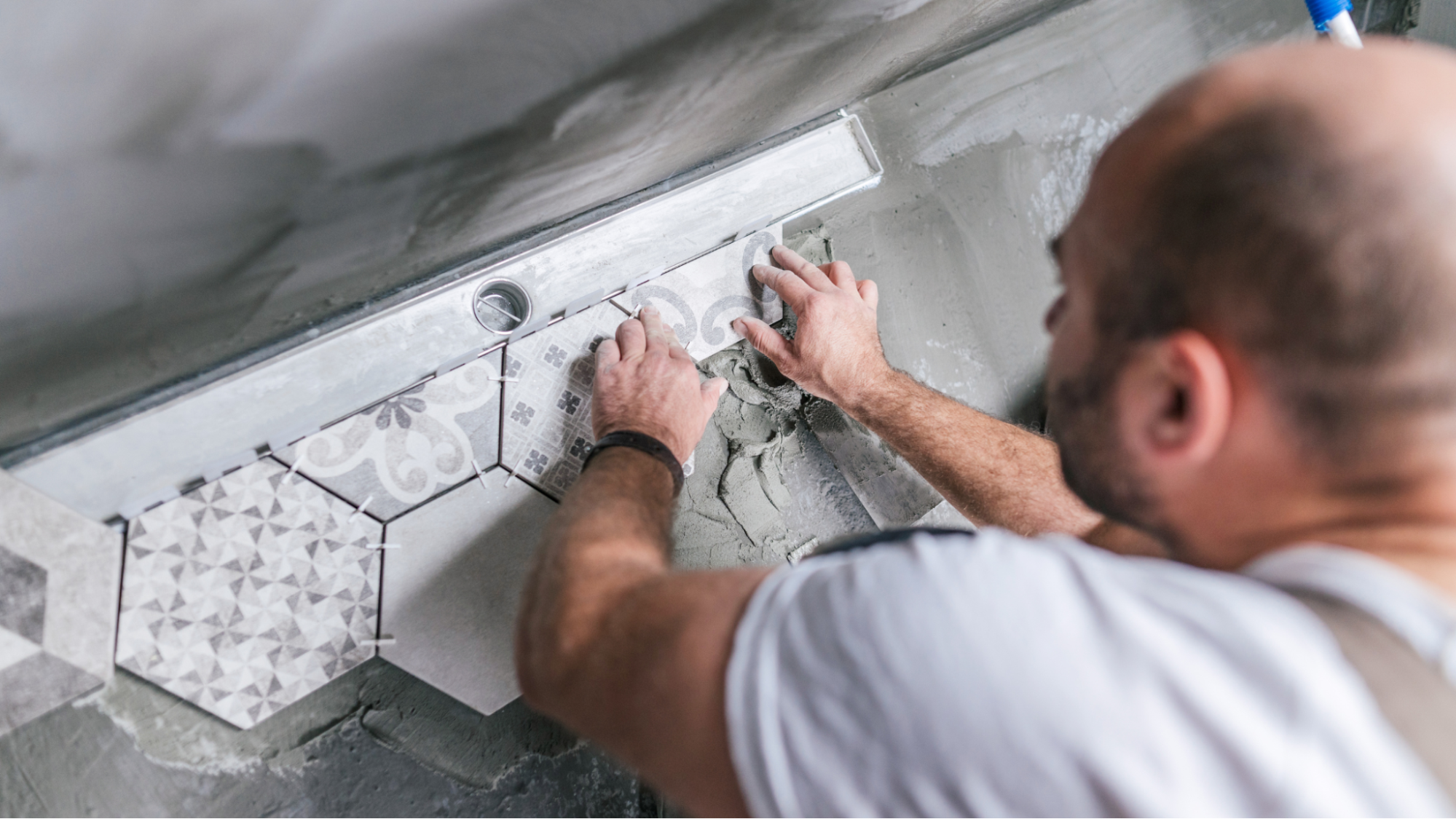
The best tile in the world will fail if it is installed poorly. In high-moisture areas specifically, make sure the installation includes correct substrate preparation, a full and even mortar bed with no voids under the tile, properly sized grout joints for the tile format, appropriate sealants at transitions and corners, and a thorough sealing of grout lines in cement-based applications. If you are not confident handling the installation yourself, this is a situation where investing in a skilled tile installer is money very well spent.
Find Your Tile at Pioneer Masonry Supply
Pioneer Masonry Supply carries a quality selection of porcelain and ceramic tile options for bathrooms, kitchens, and every area of your home. Serving homeowners and contractors across Marietta, Parkersburg, and surrounding areas, our team can help you navigate the options and choose the right product for your specific application.
Visit us in Marietta or Parkersburg to see our tile selection in person, or contact our team today. The right tile makes all the difference, and Pioneer Masonry Supply is here to help you get it right the first time.
Frequently Asked Questions
Q: Is ceramic bathroom tile flooring suitable for shower floors?
A: Standard ceramic tile is generally not recommended for shower floors. Shower floors require a tile with a low water absorption rate and a high slip resistance rating. Porcelain tile with a DCOF rating of 0.42 or higher is the preferred choice for shower floors. Ceramic tile can work well on shower walls and as bathroom floor tile in lower-moisture zones, but for the floor of an active shower, porcelain and ceramic tile options differ significantly in performance and porcelain wins for this application.
Q: How often should I seal ceramic or porcelain tile grout in a bathroom?
A: Cement-based grout in high-moisture areas like bathrooms and kitchens should typically be resealed every one to two years, depending on traffic and exposure. You can test whether your grout needs sealing by dropping a small amount of water on it. If it absorbs quickly rather than beading up, it is time to reseal. Epoxy grout does not require sealing and is an excellent long-term option for high-moisture environments.
Q: What is the difference between floor-rated and wall-rated porcelain and ceramic tile?
A: Wall-rated tile is designed for vertical surfaces where it bears no foot traffic load and faces less physical abrasion. It may have a lower PEI rating and a smoother, more polished finish. Floor-rated tile is manufactured to handle weight, foot traffic, and wear, and it is rated for slip resistance. Using wall tile on a floor is a common mistake that leads to cracking, surface wear, and safety hazards in wet areas. Always confirm the tile you are selecting is rated for floor use if that is your application.