The doors on a commercial building have a big job. They protect people, equipment, and records, and they help slow the spread of fire. Many are used hundreds of times a day. A worn or damaged door can leave a building exposed and create safety and maintenance problems. That is why warehouses, churches, municipal buildings, and other commercial properties across Ohio and West Virginia rely on steel exterior doors.
Here is a practical look at what commercial steel doors offer, which features to compare, and how to choose the right door for your building.
Why Commercial Buildings Choose Steel Doors
Steel doors combine strength, fire resistance, and long service life at a reasonable cost. Wood doors can warp, crack, or rot over time, and they wear quickly under heavy daily use. Steel holds its shape, resists impact, and stands up to the traffic that commercial entries see every day. It can also be painted to match a building’s exterior.
Security: Protecting People, Property, and Equipment
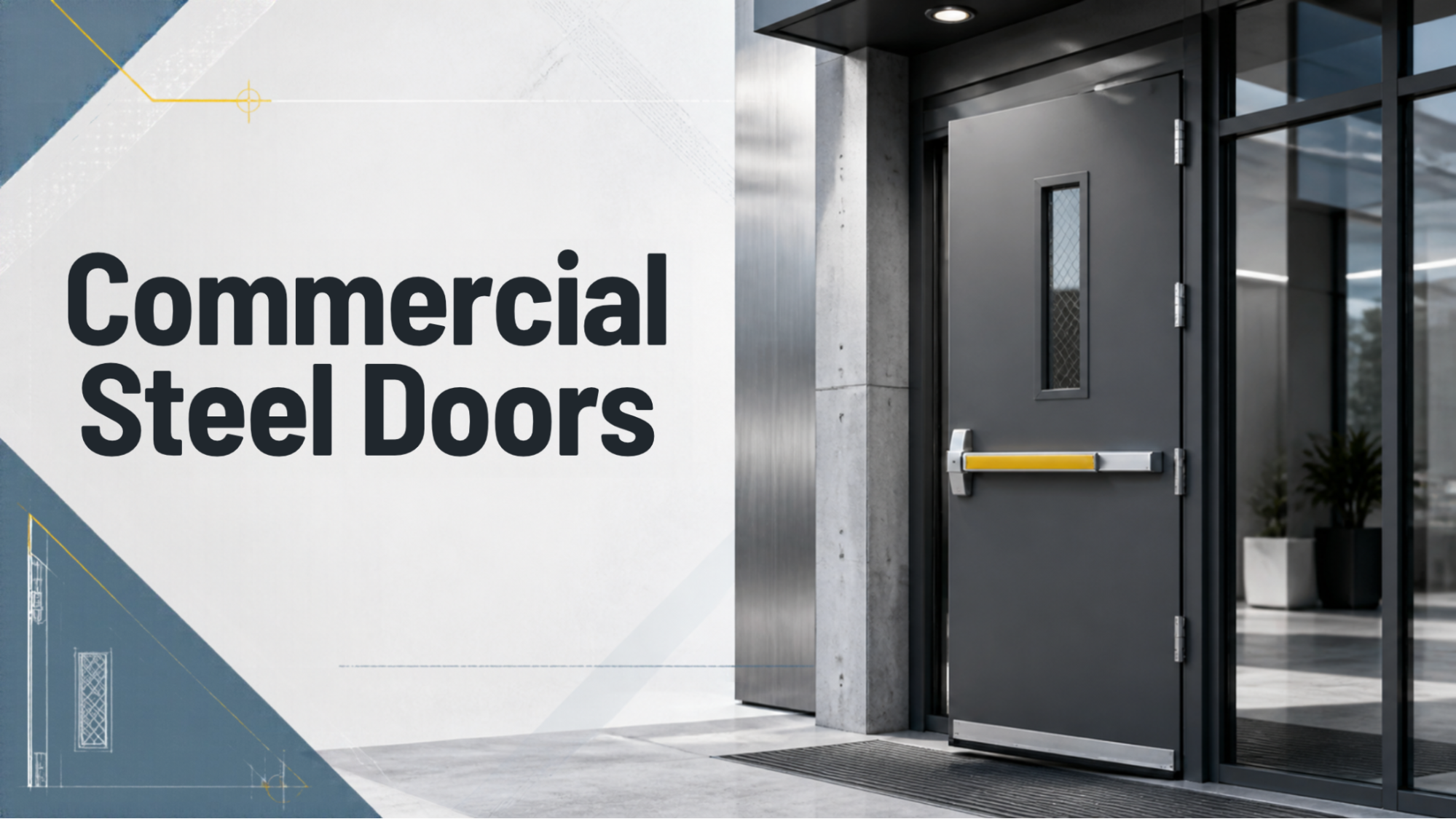
Warehouses store inventory and equipment. Churches and municipal buildings often sit empty overnight and on certain days of the week. A steel door is much harder to force open than wood, but the door is only part of the picture. For real security, look at the whole system.
Steel gauge: Commercial doors commonly come in 18, 16, or 14 gauge steel. A lower number means thicker, stronger steel, so heavier gauges suit high-traffic or high-security entries.
Steel frame: A steel frame anchored securely into the wall resists prying and forced entry far better than a wood jamb.
Commercial-grade hardware: Heavy-duty hinges, locks, and closers are built to handle constant use without loosening or failing.
Vision panels: Small glass panels improve visibility and safety. Wired or laminated glass adds strength where glass is needed.
Fire Resistance: An Important Layer of Building Safety
Fire safety is a major reason commercial properties choose steel. Fire-rated steel doors and frames are tested to hold back fire for a set period of time, commonly 20, 45, 60, 90 minutes, or longer. This helps contain a fire, protects exit routes, and gives occupants more time to leave safely.
A few points to keep in mind:
Ratings apply to the full assembly: The door, frame, and hardware all need to carry the proper rating for the opening to meet its fire rating.
Look for the labels: Fire-rated doors and frames carry permanent labels that identify their rating. Inspectors check for these.
Code requirements vary: The rating you need depends on where the door is located in the building and on local building and fire codes. Check with your architect, contractor, or local code official before you buy.
Churches, schools, and municipal buildings that host large groups often need specific exit hardware, such as panic bars, so people can exit quickly in an emergency.
Durability for High-Traffic Entries
Commercial doors take a beating from deliveries, carts, equipment, and constant foot traffic. Steel doors will not warp, swell, or rot with humidity and the freeze-and-thaw cycles common across the Mid-Ohio Valley. A factory-primed or painted finish needs little upkeep beyond occasional cleaning. Touching up deep scratches or chips promptly keeps moisture away from the bare metal and helps prevent rust.
Added Benefits: Energy Efficiency and Noise Control
Many steel doors have an insulated core that helps keep heated and cooled air inside. This matters for large spaces like warehouses, sanctuaries, and public offices, where heating and cooling costs add up quickly through Ohio Valley winters and humid summers. Good weatherstripping and a sealed threshold help reduce drafts and outside noise.
What to Look For When Buying Commercial Steel Doors
Door and frame together: Decide whether you need a complete door and frame or a replacement door for an existing frame in good condition.
Size and swing: Measure the opening carefully and note which way the door opens (the handing).
Gauge and core: Match the steel thickness and core type to the traffic level and security needs of the entry.
Fire rating: Confirm whether the opening requires a rated door and what rating it needs.
Hardware: Plan for locks, closers, panic hardware, and accessibility needs at the same time as the door.
Not sure where to start? As a building construction materials supplier, our team can help you compare options and confirm measurements before you buy.
Steel Doors for Manufactured and Mobile Homes
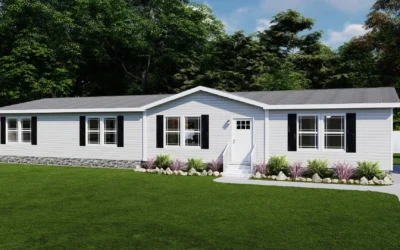
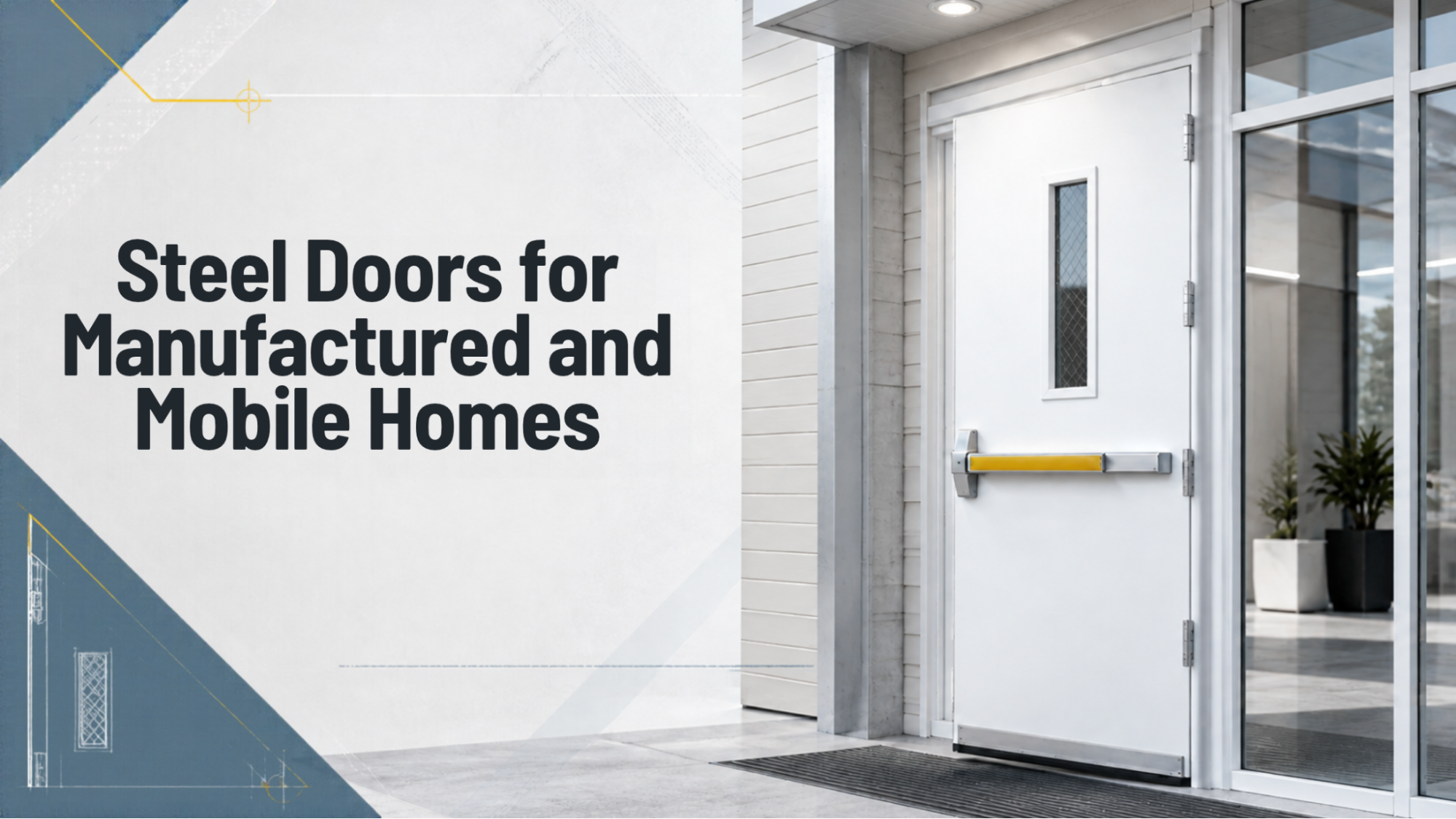
Manufactured homes often use doors in different sizes and swing directions than site-built houses, so a standard door may not fit. Pioneer’s mobile home product line includes skirting, anchoring systems, steps and rails, and doors and windows. Our mobile home doors come in white, a clean, classic look that suits most manufactured homes. That makes it easier to find a door built for your home. Explore our mobile home supplies to see what is available.
Complete Your Building Project
Steel doors are one part of a strong, long-lasting building. Pioneer also supplies concrete masonry blocks, brick, mortar, and stone through our full line of construction materials for commercial walls, entries, and exteriors. See our guide on how veneer stone adds value for ideas on finishing an entry.
Find the Right Commercial Steel Door at Pioneer Masonry Supply
Choosing the right door is easier with expert help. Pioneer Masonry Supply is a locally owned and female-owned supplier that has served contractors, builders, and property owners across the Mid Ohio Valley for over 40 years. We carry concrete masonry blocks, steel exterior doors, and pavers, backed by expert advice and personal service. Whether you are replacing a single warehouse door or outfitting a new church or public building, we will help you find a door that fits your project and your budget.
Visit our Parkersburg store at 1400 Blizzard Dr, Parkersburg, WV 26101 or call 304-422-4050. You can also stop by our Marietta store at 220 Acme St, Marietta, OH 45750 or call 740-373-1133, or contact us online to start planning your project.
Frequently Asked Questions
What types of buildings use commercial steel doors?
Steel doors are common on warehouses, churches, municipal buildings, schools, offices, and other commercial properties where security, fire safety, and durability matter.
Are steel doors fire resistant?
Steel does not burn, and fire-rated steel doors are tested to hold back fire for a set time, such as 20, 45, 60, or 90 minutes. The door, frame, and hardware must all carry the correct rating for the opening to be considered fire-rated.
What gauge steel door is best for a commercial building?
It depends on how the door is used. 18 gauge works well for many standard entries, while 16 or 14 gauge suits high-traffic or high-security areas like warehouse and service doors.
Will a steel door rust?
A properly finished steel door is protected against rust. Rust usually appears only where paint has been scratched or chipped down to bare metal. Touching up damage promptly keeps the door protected for years.