Stamped concrete gives you the look of slate, flagstone, cobblestone, or even wood planks for much less than the real material costs. It is one of the most popular choices for patios, walkways, pool decks, and driveways across the Mid Ohio Valley. The pattern gets most of the attention, but the color decides how the project looks in five or ten years. The way that color goes into the concrete makes all the difference.
This guide explains how stamped concrete works, why integral color is the foundation of a long-lasting finish, and what Sika integral color products bring to the job.
What Is Stamped Concrete?
Stamped concrete is regular poured concrete that is pressed with textured mats while it is still workable. The mats create patterns and surface textures that mimic natural stone, brick, tile, or wood. Once the concrete cures, it is cleaned and sealed to protect the surface and deepen the color.
The result is one continuous slab with the look of individual stones or pavers. Stamped concrete can be a great fit for large patios and driveways where you want a custom look on a practical budget.
Why Color Matters as Much as the Pattern
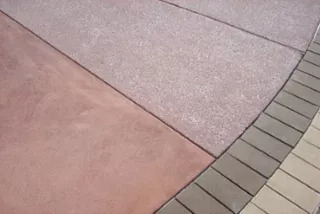
Plain gray stamped concrete rarely looks like stone. Color brings the pattern to life, and it is the part homeowners notice first. There are three common ways to color concrete:
- Integral color: Pigment is mixed into the concrete itself, so the color runs through the full depth of the slab.
- Color hardener: A dry shake is broadcast onto the surface of fresh concrete and worked in, coloring only the top layer.
- Stains and dyes: Color is applied to cured concrete as a surface treatment.
Each method has its place. For stamped concrete that faces weather, foot traffic, and snow shovels, many contractors start with integral color as the base. They often add a contrasting release agent during stamping to give the pattern depth and an aged, natural look.
Why Integral Color Works So Well for Stamped Concrete
- Color all the way through: Because the pigment is part of the mix, small chips, scuffs, and surface wear do not expose gray concrete underneath.
- Consistent results: Pre-measured color helps every truckload match, which is important on larger patios and driveways poured in stages.
- Lasting color: Quality integral colors use UV-resistant pigments that hold up to years of sun.
- Simpler finishing: Contractors do not have to spread and work a surface product into the concrete before stamping. On a hot day, that saves precious time.
A Closer Look at Sika Integral Color
Sika is one of the most recognized names in construction chemicals, and its integral color line covers everything from small residential patios to large commercial projects. All Sika integral colors meet ASTM C979, the standard specification for pigments used in integrally colored concrete.
Here are the main options:
- SikaColor 100 P: A pre-measured admixture for coloring ready-mix concrete during batching. It uses one bag per cubic yard and a blend of UV-resistant synthetic iron oxides for uniform color from load to load. This is the one that is most common and readily available at Pioneer Masonry Supply.
- SikaColor 120 G: Free-flowing concentrated pigment granules. They can be poured directly into the mix or dispensed by equipment.
- SikaColor 130 L: A liquid pigment dispersion that mixes quickly for even, streak-free color.
- SikaColor 140 SG: An economical option in disintegrating bags. Its 11 base colors combine to create 44 standard colors.
- SOLACHROME: A solar reflective integral color that helps concrete stay cooler in the sun. That makes it worth considering for pool decks and patios with full sun exposure.
Sika publishes color charts for each product line, so you can compare shades before choosing. Keep in mind that concrete color can vary with the cement, aggregates, water content, and finishing. A small test pour is the best way to confirm your color before a large project.
Popular Stamped Concrete Projects Around the Mid Ohio Valley
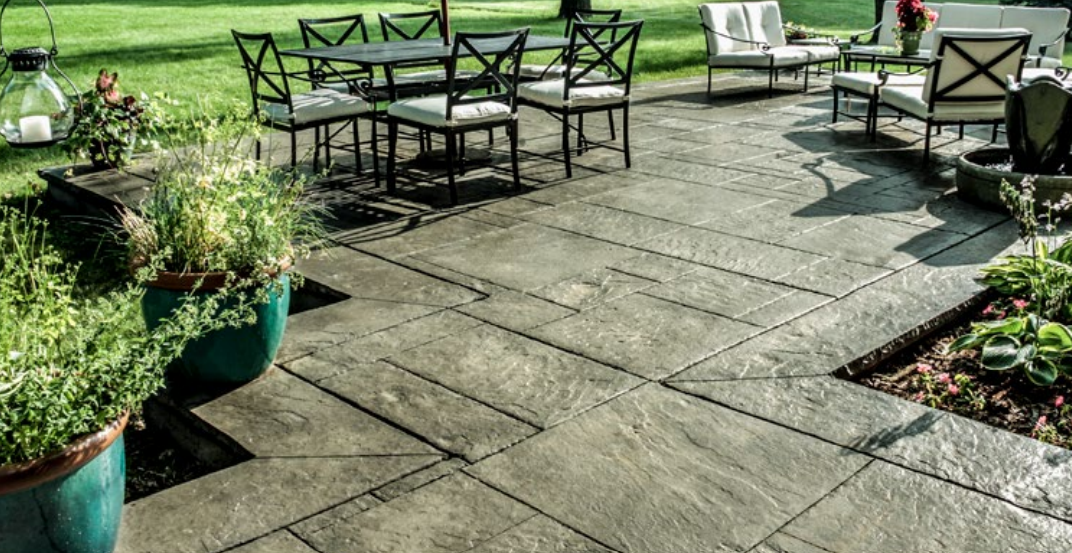
- Backyard patios: Ashlar slate and flagstone patterns create a natural stone look for outdoor dining and fire pit areas.
- Front walkways: A stamped walkway in a warm earth tone adds curb appeal from the street. Our guide to the best materials for backyard pathways and walkways compares stamped concrete with pavers, brick, and natural stone.
- Driveways: Cobblestone or running bond brick patterns make a driveway look custom-built.
- Pool decks: Textured patterns add slip resistance, and lighter or solar reflective colors help keep the surface cooler.
Building Stamped Concrete That Lasts Through Ohio and West Virginia Winters
Freeze and thaw cycles are hard on any concrete, so good planning matters as much as good color.
- Start with a solid base: A well-compacted gravel base helps prevent settling and cracking. Our article on mortar, cement, and calculating gravel shows how to estimate how much you need.
- Reinforce the slab: Rebar or wire mesh adds strength, especially for driveways. We stock steel reinforcement along with aggregates and cement in our construction materials lineup.
- Use the right mix: Air-entrained concrete is widely recommended in freeze-thaw climates. It helps the slab resist surface damage from frozen moisture.
- Plan control joints: Joints that follow the stamped pattern guide cracking to hidden lines.
- Seal and maintain: A quality sealer protects the color and surface. Avoid rock salt deicers, especially during the first winter, and reseal every few years or as the sealer manufacturer recommends.
Working With Local Concrete Companies
Integral color is typically added when the concrete is batched. That means your ready-mix supplier and your contractor need to be on the same page before pour day. If you are searching for concrete companies near you, ask whether they have stamped concrete experience, which patterns they offer, and whether they will pour a test sample in your chosen color. A local masonry supply store can also be a helpful connection point, since suppliers work closely with contractors and ready-mix companies in the area.
Plan Your Stamped Concrete Project with Pioneer Masonry Supply
Great stamped concrete starts with the right materials. Pioneer Masonry Supply is a locally owned and female-owned masonry supply store that has served homeowners and contractors across the Mid Ohio Valley for over 40 years. Our building supplies range from cement and aggregates to concrete coloring. Our team is happy to help you compare colors and estimate what your project needs.
Visit our Parkersburg store at 1400 Blizzard Dr, Parkersburg, WV 26101 or call 304-422-4050. You can also stop by our Marietta store at 220 Acme St, Marietta, OH 45750 or call 740-373-1133. You can also contact us online to start planning a patio, walkway, or driveway that looks great for years to come.
Frequently Asked Questions
Does integral color fade over time?
Integral color made with UV-resistant synthetic iron oxide pigments is designed to hold its color for many years. Because the color runs through the full depth of the concrete, it also does not wear off the way surface coatings can. Keeping the surface sealed helps maintain its richness.
Is stamped concrete a good choice for Ohio and West Virginia winters?
Yes, when it is built correctly. A compacted base, proper reinforcement, air-entrained concrete, well-placed control joints, and a quality sealer all help stamped concrete stand up to freeze and thaw cycles. Avoiding rock salt also helps protect the surface.
How often should stamped concrete be sealed?
Most stamped concrete needs resealing every two to three years, depending on sun exposure, traffic, and the type of sealer used. Resealing restores the color’s depth and protects the surface from moisture, stains, and wear.