Most manufactured home maintenance is reactive. A step works loose, a skirting panel blows off in a storm, a faucet drips. You fix what broke, and you move on until the next thing breaks.
That approach keeps a home functional. It does not make it better, and it does not build value.
There is a meaningful gap between repairing what failed and upgrading what is merely adequate. The second category is where comfort improves, energy bills drop, and resale value actually moves. With fall setting in across the Mid Ohio Valley, now is a practical time to look at that list, because several of these upgrades pay off most during the months directly ahead.
Start With Skirting, Because It Does More Than You Think
Properly installed skirting on a manufactured home controls the environment under the floor. It blocks wind from moving freely through the crawl space, which is one of the largest sources of heat loss in a manufactured home during winter. It keeps rodents and insects out. It shields plumbing lines from freezing air.
Older vinyl skirting fails in predictable ways. Panels crack from UV exposure and cold impact, ground tracks work loose, and gaps open at corners. Once the system is compromised, the benefits go with it.
Upgrading to a complete skirting system, including panels, top and bottom tracks, and proper corner trim, is one of the highest return improvements available on a manufactured home. It changes how the home feels in January, it protects the plumbing, and it noticeably improves curb appeal. Insulated skirting options push the energy benefit further.
Ventilation matters here too. Skirting needs adequate venting to manage moisture under the home, and vents need to be manageable seasonally. A system installed without attention to that trades one problem for another.
We stock full skirting systems and mobile home supplies at both locations, in multiple textures and colors.
Doors and Windows Are Where Comfort Is Won or Lost
Original doors on older manufactured homes were built to a price point. Thin cores, minimal insulation, and hardware that loosens over time. After fifteen or twenty years of seasonal expansion and contraction, the seal around the frame is usually the weakest point in the entire exterior envelope.
Windows follow the same logic. Single-pane units are still common in older manufactured homes, and they are responsible for a large share of winter heat loss and summer heat gain. Replacement units sized for manufactured home openings are readily available and make an immediate difference in comfort.
If your budget only covers one, start with whichever opening you can feel air moving through on a windy day.
Steps and Rails: Safety, Code, and First Impressions
Wooden steps built on site years ago are one of the most common weak points on manufactured homes. Wood rots from ground contact, fasteners loosen, and rails become decorative rather than structural. Every winter, that combination becomes genuinely dangerous when ice forms.
Pre-fabricated step and railing systems built for manufactured homes solve this cleanly. They are engineered for the application; they hold up to repeated use in bad weather, and they install far faster than building on site. Pioneer Masonry Supply stocks concrete and fiberglass steps in a variety of sizes. Consider new steps to upgrade the safety of your entrance and meet insurance codes.
Anchoring: The Upgrade Nobody Sees and Everybody Needs
Anchoring systems tie a manufactured home to the ground and resist wind uplift and lateral movement. Straps corrode, anchors loosen as soil shifts through repeated wet and dry cycles, and hardware that was correct twenty years ago may not meet current standards.
Having an anchoring system inspected and brought up to standard is not a glamorous project. It is one of the few upgrades that directly affects the structural safety of the home, and it can matter for insurance purposes as well. We carry tie-downs, anchors, and hardware that meet manufactured housing stability requirements.
HVAC and Plumbing: Fall Is the Deadline
Manufactured homes use duct systems and plumbing configurations that differ from site-built houses. Belly duct runs, specific fitting sizes, and crossover ducts under the home all require components made for the application. Generic hardware store parts often do not fit correctly, and a poor fit in a crossover duct means you are heating the crawl space instead of the living room.
Ahead of winter, three things are worth checking. Crossover duct integrity, because a disconnected or crushed crossover is a common and expensive-to-ignore problem. Water heater and supply line insulation, particularly anywhere lines run through unconditioned space. And overall duct sealing, which is often the difference between a furnace that keeps up in January and one that does not.
We carry HVAC and plumbing kits designed specifically for manufactured homes, including duct fittings, ventilation components, connectors, and valves.
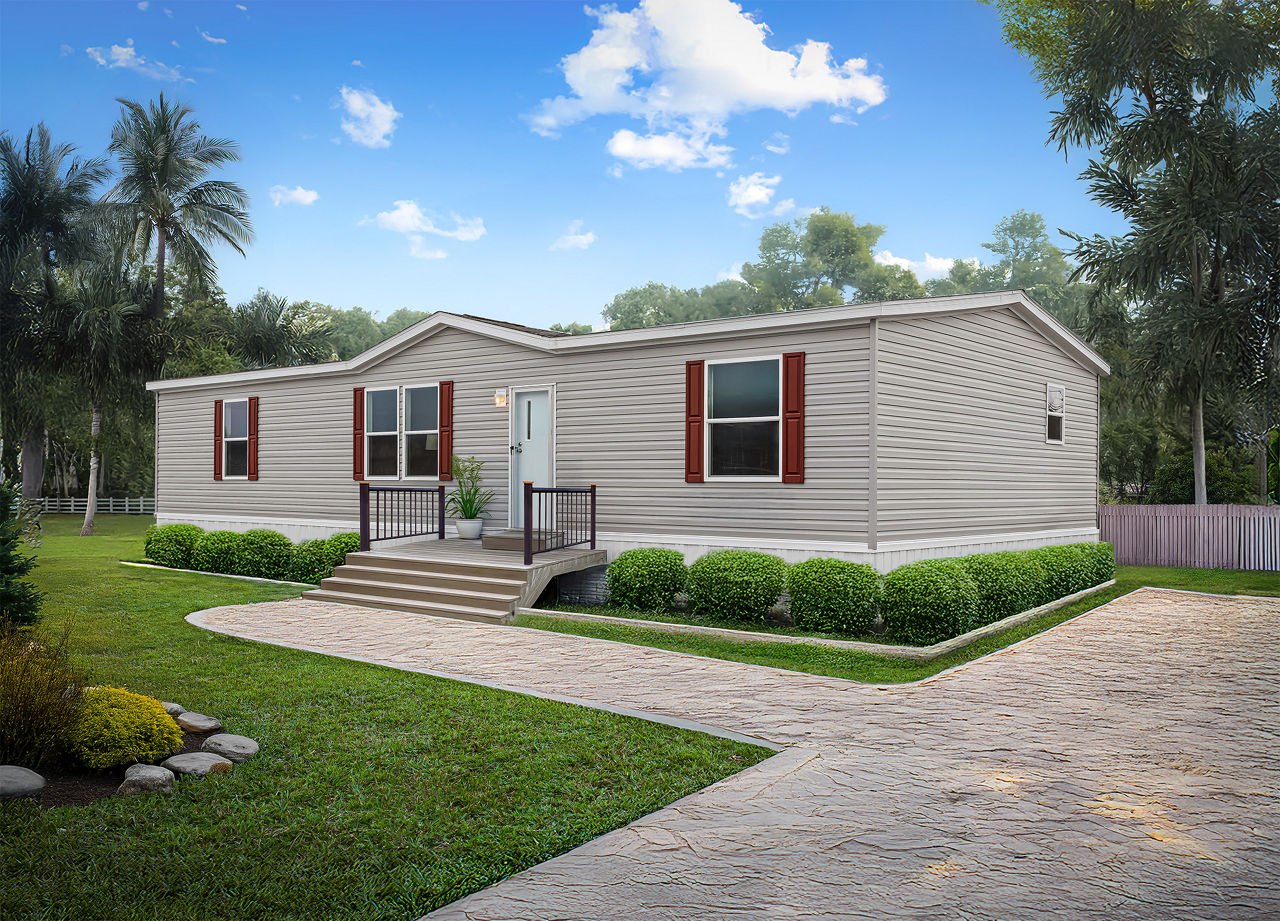
Thinking in Terms of Value, Not Just Repair
A useful way to prioritize is to separate upgrades into three buckets.
Comfort and cost. Skirting, doors, windows, duct sealing. These change how the home feels day to day and show up on the utility bill.
Safety and compliance. Anchoring, steps, rails. These protect the people in the home and hold up under inspection.
Appearance and resale. Skirting again, entry doors, exterior trim. These change what a buyer or appraiser sees in the first thirty seconds.
Skirting appears in two of the three categories, which is why it tends to be the best starting point for most homeowners.
Where to Find Mobile Home Parts Near You
Pioneer Masonry Supply expanded our inventory in 2025 to carry a full line of products for manufactured and mobile homes. If you have been searching for mobile home parts near you, both of our stores now stock skirting, steps, doors, windows, HVAC systems, plumbing kits, and anchoring systems, including Style Crest products.
We serve Parkersburg, Williamstown, and Ripley from 1400 Blizzard Dr, and Marietta, Athens, and the surrounding Ohio communities from 220 Acme St. Our team knows manufactured home requirements specifically, which means you get the part that actually fits.
Frequently Asked Questions
What upgrade adds the most value to a manufactured home?
Skirting and entry doors typically deliver the strongest combination of comfort improvement, energy savings, and visual impact for the cost. Skirting in particular affects heating efficiency, plumbing protection, pest control, and curb appeal at the same time, which is unusual for a single improvement.
Do you carry parts for older manufactured homes?
Yes. Many of the products we stock are universal or available in sizes that fit older models. Bring measurements or the part you are replacing, and our staff can help you match it. If you know the manufacturer and approximate year of your home, that helps as well.
When should I prepare my manufactured home for winter?
Aim to finish exterior work by late October. Skirting repairs, duct inspection, and pipe insulation are all easier and more effective before temperatures drop, and doing them early means you are not working outside in freezing weather or dealing with a burst line in January.
Get Your Home Ready Before the Cold Sets In
Visit our Parkersburg store at 1400 Blizzard Dr or call 304-422-4050, or come by our Marietta store at 220 Acme St or call 740-373-1133. Tell us what you are working on and we will help you put together the right parts list. You can also explore our mobile home supplies before you visit.