Porcelain or ceramic? It sounds like a simple choice, but for homeowners and contractors alike, it’s one that can define the look, durability, and long-term value of an entire project.
These two tile types dominate the market, and for good reason. Both are attractive, durable, and available in a wide range of designs. But they are not interchangeable, and choosing the wrong one for your specific application can lead to cracked tiles, water damage, costly repairs, and a finished result that falls short of what you envisioned.
The good news is that once you understand what makes each material different, the right choice becomes obvious. Let’s get into it.
What They Have in Common
Both porcelain and ceramic tile are made from clay that’s been shaped and fired in a kiln. Both are available in an enormous variety of sizes, colors, finishes, and patterns. Both can be glazed or unglazed. And both have been used successfully in residential and commercial construction for generations.
That shared foundation is why so many people treat them as the same product. But the differences in how they’re made create very real differences in how they perform, and those performance differences are what should drive your decision.
What Makes Porcelain Different
Porcelain tile is made from a denser, more refined clay that’s fired at significantly higher temperatures than standard ceramic tile. That process creates a tile that is harder, less porous, and more resistant to moisture and wear.
The water absorption rate is where porcelain really sets itself apart. Industry standards classify a tile as porcelain when its water absorption rate is 0.5 percent or less. That’s an incredibly low number, and it means
porcelain holds up exceptionally well in wet environments, high-traffic areas, and even outdoor applications in climates with freezing temperatures.
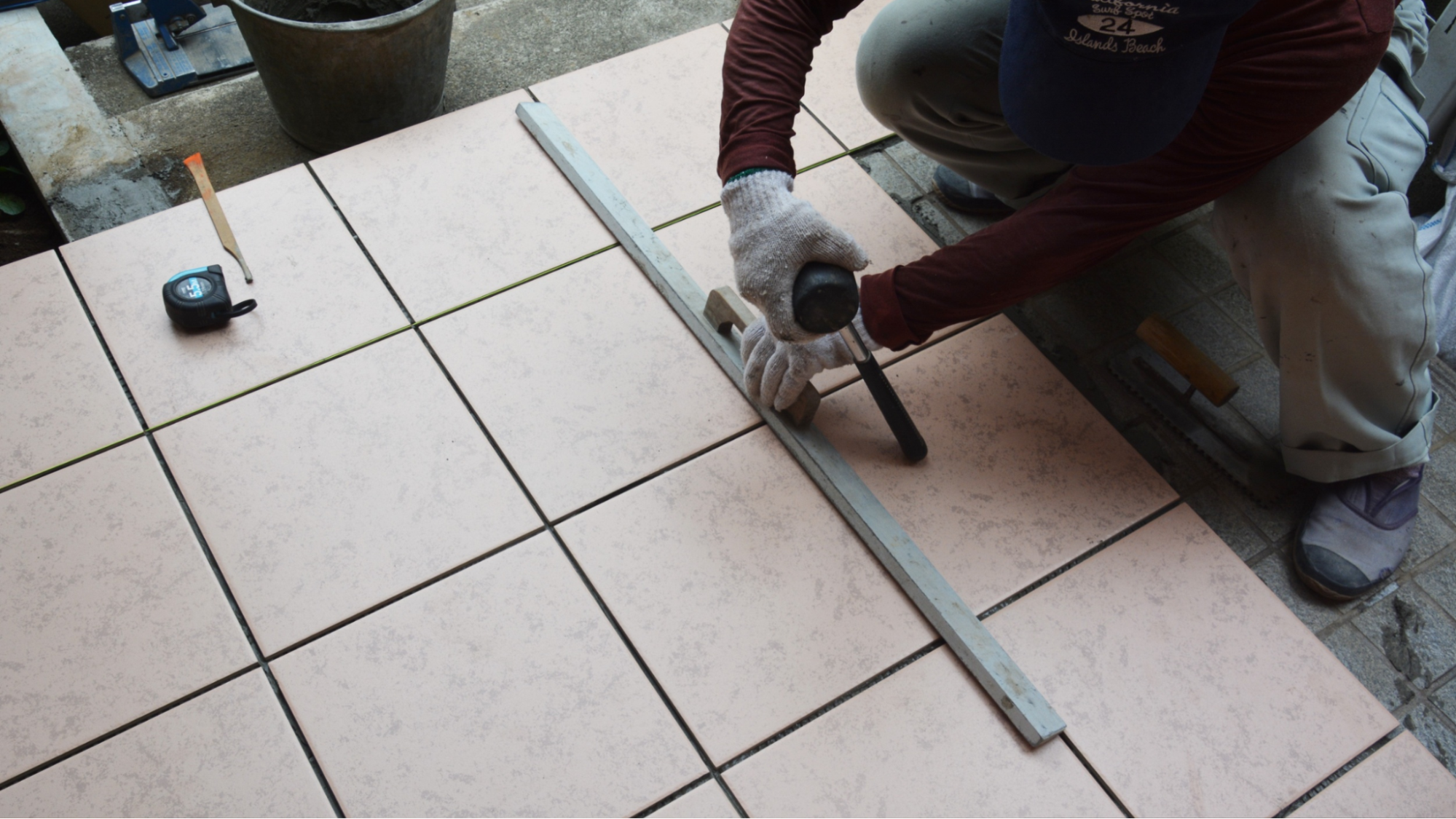
Porcelain is also denser and heavier than ceramic, which contributes to its durability but also means it requires more effort to cut and install. A professional installer will typically use a wet saw with a diamond blade to cut porcelain cleanly. It’s not a forgiving material if you rush the installation process.
The other thing worth knowing about porcelain is that many tiles are made with color and pattern running through the entire body of the tile, not just the surface glaze. This means that if the tile chips or the glaze wears down over decades of heavy use, the damage is far less noticeable than it would be on a standard glazed ceramic tile.
What Makes Ceramic Different
Ceramic tile is made from a coarser clay blend fired at lower temperatures. The result is a tile that is lighter, slightly softer, and more porous than porcelain. Its water absorption rate is higher, which makes it less suitable for areas with constant moisture exposure, but perfectly appropriate for many interior applications.
One of the biggest advantages ceramic has over porcelain is workability. Ceramic cuts more easily, making it a friendlier option for DIY installations. It’s also generally less expensive than porcelain, which can make a meaningful difference on large-scale projects or when you’re tiling multiple rooms.
Ceramic tile glazes are available in an almost unlimited range of colors and finishes, and because the glaze sits on the surface, manufacturers have a lot of freedom to produce bold, intricate, and decorative designs that can be harder to achieve with full-body porcelain.
For interior walls, backsplashes, and lower-traffic floor areas that aren’t exposed to standing water or heavy wear, ceramic tile performs beautifully and offers tremendous value.
Breaking It Down by Application
Understanding the general differences is helpful, but what really matters is matching the right tile to the right job. Here’s how to think through the most common applications.
Bathroom Floors and Walls
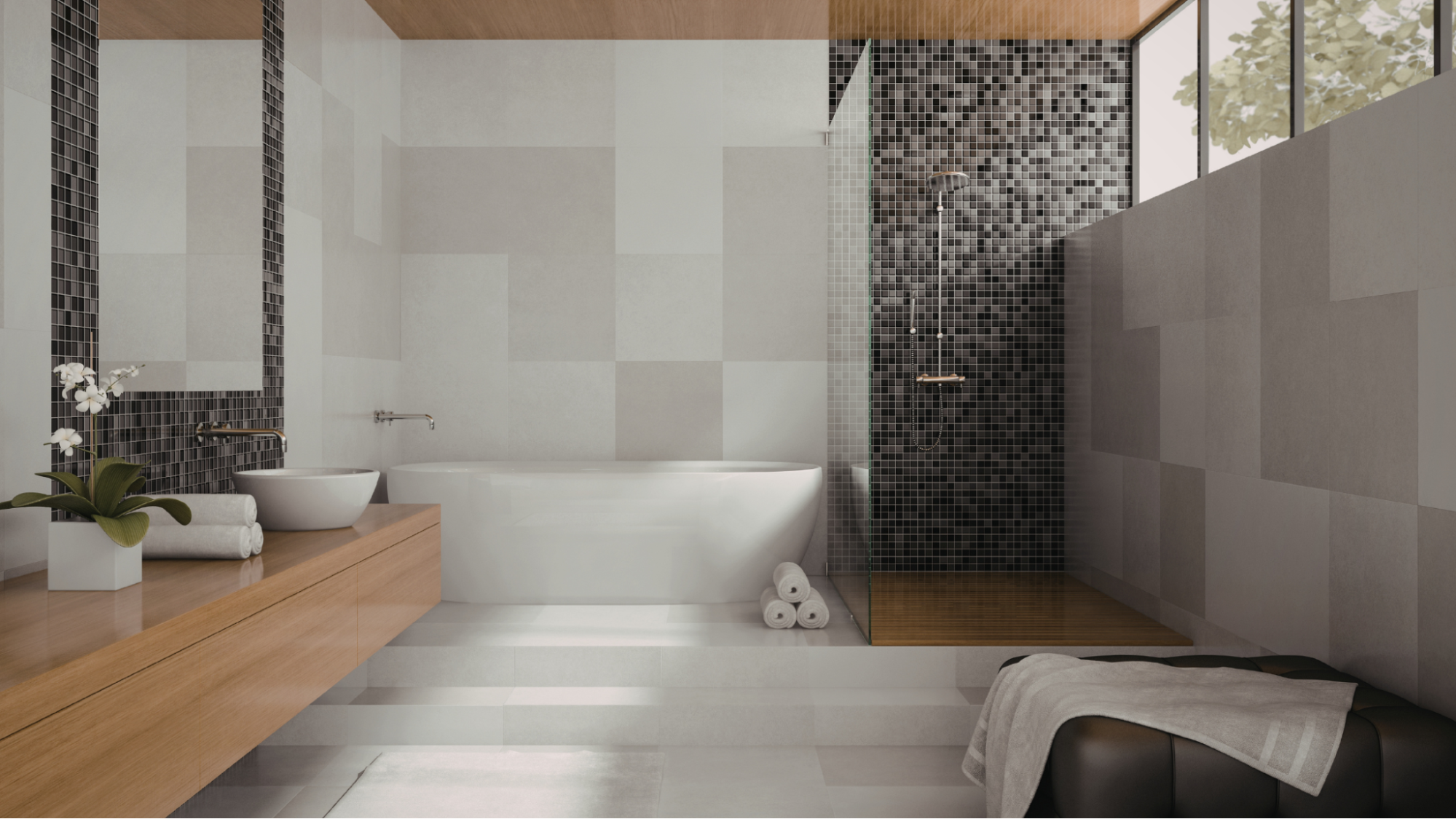
This is where the porcelain versus ceramic conversation gets the most practical. Bathrooms involve water, humidity, and temperature changes, all of which put real demands on tile and grout.
For shower floors, shower walls, and the floor immediately surrounding a tub or toilet, porcelain is the stronger choice. Its low water absorption rate means moisture is far less likely to work its way through the tile body or compromise the installation over time.
That said, ceramic bathroom tile flooring works very well in drier bathroom zones. A powder room with minimal moisture exposure, or the open floor area of a larger bathroom away from the wet zone, is a perfectly appropriate place to use ceramic. The key is being honest about how much moisture that specific surface will actually see on a daily basis.
Kitchen Floors and Backsplashes
For kitchen floors that see heavy foot traffic, dropped items, and the occasional spill, porcelain’s density and hardness make it the more resilient option. It handles impact better and is easier to keep clean in a high-use environment.
Kitchen backsplashes are a different story. They’re vertical surfaces that don’t take foot traffic, and while they do get splashed with water and cooking grease, they’re generally wiped clean regularly. This is a case where ceramic tile absolutely shines. The wider range of decorative options available in ceramic makes it a fantastic choice for a backsplash where you want personality and visual interest.
Outdoor Spaces
Outdoor tile applications require careful material selection, and this is one area where porcelain has a clear advantage. Its low porosity means it won’t absorb water that then expands and cracks the tile during a freeze. Look specifically for porcelain tiles rated for outdoor use and pay attention to the slip resistance rating, especially for surfaces that will get wet.
Ceramic tile is generally not recommended for outdoor use in climates that experience freezing temperatures. Its higher porosity makes it vulnerable to frost damage regardless of how well it’s installed.
Living Areas and Bedrooms
For interior rooms with low moisture exposure and moderate foot traffic, both porcelain and ceramic perform well. This is where budget, aesthetics, and personal preference can take the lead. If you love a particular ceramic tile and it’s going into a dry, interior space, there’s no reason not to use it. Porcelain will always offer a durability advantage, but in a bedroom or living room, that extra margin may not be a meaningful factor in your daily life.
The Cost Conversation
Porcelain tile typically costs more than ceramic, both in terms of material price and installation labor. The higher density makes it more expensive to manufacture, more costly to ship due to weight, and more time-consuming to cut and set properly.
If you’re tiling a large area and budget is a consideration, a smart strategy is to use porcelain in the high-moisture and high-traffic zones where it earns its keep, and ceramic in the lower-risk areas where it performs just as well at a lower cost. A good supplier can help you plan this kind of hybrid approach and find complementary porcelain and ceramic tile options that work together seamlessly across your project.
The Bottom Line
Porcelain wins on durability, moisture resistance, and outdoor performance. Ceramic wins on cost, workability, and decorative variety for interior applications. Neither is universally better. The right tile is the one that matches your specific space, usage, and goals.
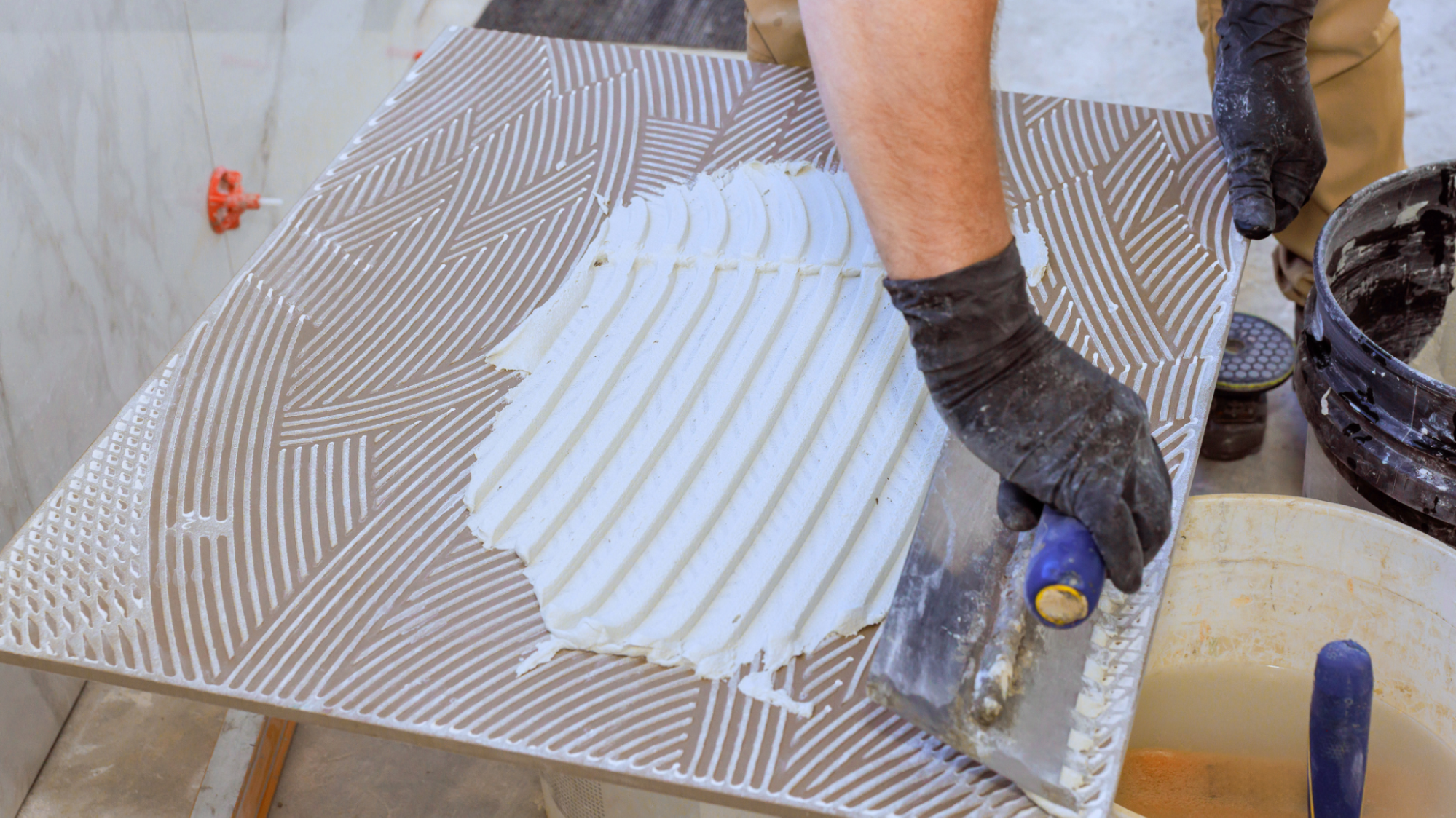
What makes the biggest difference in any tile project, beyond the material itself, is the quality of the product and the quality of the installation. Start with good tile from a supplier who knows their inventory, follow proper installation practices, and use the right setting materials for the job.
Pioneer Masonry Supply: Your Tile Project Starts Here
At Pioneer Masonry Supply, we carry a full selection of porcelain and ceramic tile for every application, from ceramic bathroom tile flooring to outdoor porcelain pavers and everything in between. Our team understands the technical differences between tile types and can help you match the right product to your specific project requirements.
We’re not here to sell you whatever is sitting on the shelf. We’re here to help you make the right call so your project looks great, performs well, and stands the test of time.
Come visit Pioneer Masonry Supply or reach out to our team today. Whether you’re renovating a bathroom, tiling a kitchen, or tackling a full home refresh, we have the materials and the knowledge to help you get it right.
Frequently Asked Questions
Q: What is the main difference between porcelain and ceramic tile for home projects?
A: Porcelain and ceramic tile are both clay-based products fired in a kiln, but porcelain is denser, harder, and far less porous than ceramic. This makes porcelain the better choice for wet areas, outdoor use, and high-traffic floors, while ceramic is a cost-effective and attractive option for interior walls, backsplashes, and lower-moisture floor areas.
Q: Is ceramic bathroom tile flooring a good choice for my renovation?
A: Ceramic bathroom tile flooring works well in areas of the bathroom that don’t experience constant moisture exposure, such as open floor areas away from the shower or tub. For shower floors, shower walls, and zones with regular water contact, porcelain’s lower water absorption rate makes it the safer and more durable long-term choice.
Q: Where can I find quality porcelain and ceramic tile for my project?
A: Pioneer Masonry Supply carries a wide range of porcelain and ceramic tile options suited for every application and budget. Our knowledgeable team can walk you through the differences, help you determine the right tile for each area of your project, and make sure you have all the setting materials and tools needed for a successful installation.