Your backyard is an extension of your home. It’s where you host summer cookouts, where the kids run barefoot after dinner, where you sneak out for a quiet cup of coffee before the rest of the house wakes up. So why settle for a muddy, worn-down path cutting through the grass when you could have something that actually looks and performs the way your outdoor space deserves?
Choosing the right material for your backyard pathway or walkway is one of the highest-impact upgrades you can make. Done right, it adds beauty, function, and real value to your property. Done wrong, you end up with cracked surfaces, uneven footing, and a project you’ll be redoing in a few years.
Let’s walk through the best materials available, what makes each one worth considering, and how to choose the right fit for your space.
Concrete: The Workhorse That Never Quits
Concrete is one of the most popular pathway materials for good reason. It’s durable, low maintenance, and incredibly versatile. A well-poured concrete walkway can last 30 years or more with minimal upkeep, which makes it one of the best long-term investments you can make in your outdoor space.
Plain gray concrete gets a bad reputation for being boring, but modern finishing techniques have changed the game entirely. Stamped concrete can mimic the look of natural stone, brick, or slate at a fraction of the cost. Exposed aggregate finishes add texture and visual interest while improving traction. Colored concrete lets you match or complement your home’s exterior palette.
For backyard pathways, a 4-inch-thick pour is typically sufficient for foot traffic. If you’re building a walkway that will also need to handle a wheelbarrow, garden cart, or riding mower, bump that up to 5 or 6 inches and make sure you’ve got a properly compacted gravel sub-base underneath.
The one thing concrete requires is proper installation. Expansion joints, proper slope for drainage, and a solid base are non-negotiable. Skip any of those steps, and you’ll be dealing with cracks sooner than you’d like.
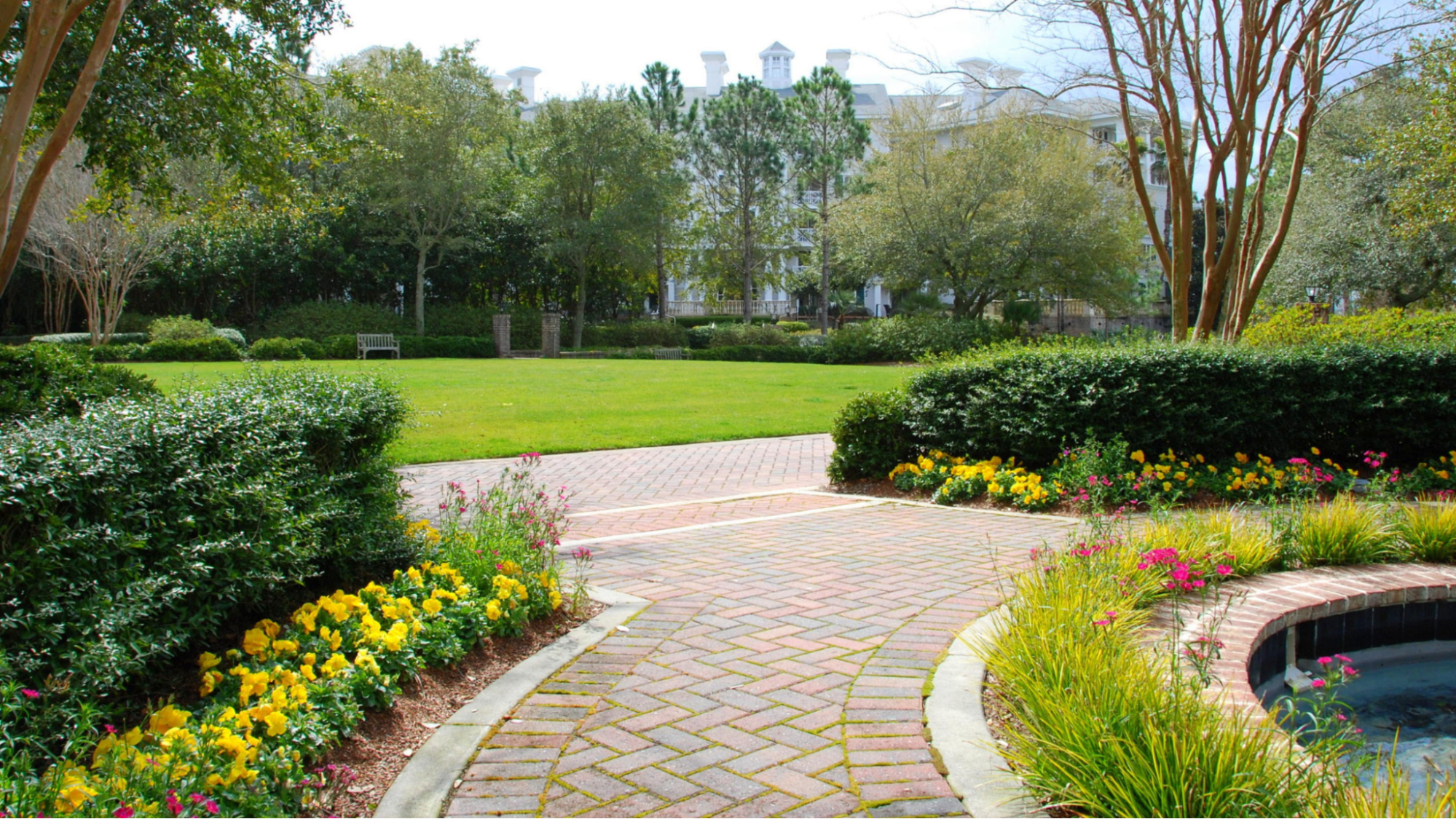
Brick Pavers: Classic Charm With Real Staying Power
Few things say “crafted with intention” quite like a brick paver walkway. The warm tones, the uniform pattern, the satisfying solidity underfoot, brick brings a timeless character to any backyard that’s hard to replicate with other materials.
Brick pavers are kiln-fired clay units that are exceptionally hard and weather-resistant. They hold their color well over time, and because they’re individual units rather than a poured slab, they’re easier to repair. If one brick cracks or shifts, you replace that single piece rather than patching or repaving an entire section.
They work beautifully in a wide range of patterns, including running bond, herringbone, and basketweave, so there’s plenty of room to get creative with the design. Whether your backyard leans traditional or modern, there’s a brick paver layout and color that fits.
The key to a long-lasting brick paver walkway is what happens below the surface. A properly compacted crushed stone base, a layer of bedding sand, and tight jointing sand between the pavers will keep everything locked in place through freeze-thaw cycles and heavy use.
Natural Stone: When You Want Something That Looks Like It’s Always Been There
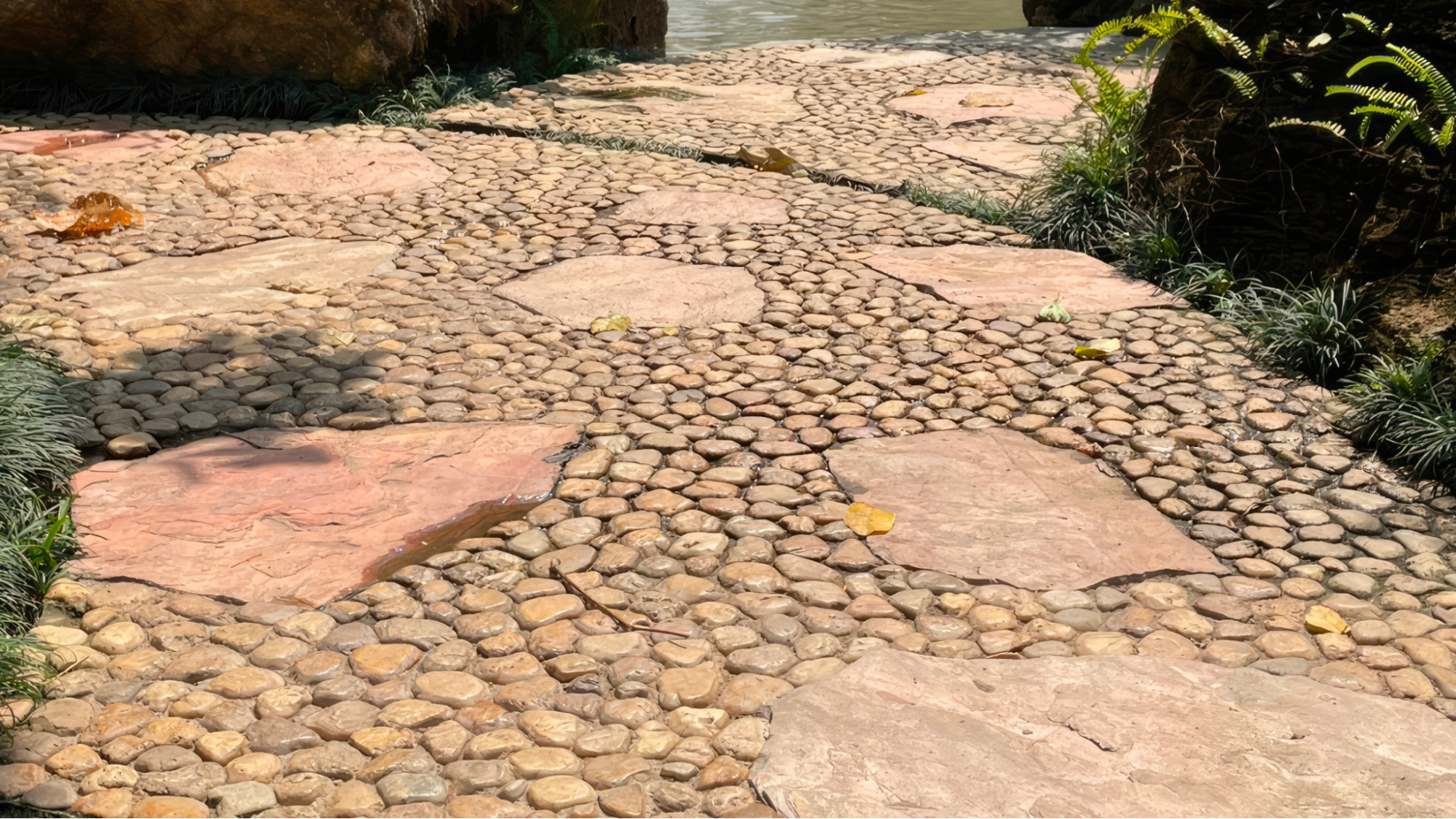
If you want a pathway that looks like it grew out of the landscape rather than being installed into it, natural stone is your answer. Flagstone, bluestone, slate, and limestone are popular choices that each bring their own color range, texture, and personality to an outdoor space.
Natural stone is beautiful, but it’s also one of the more forgiving materials to work with creatively. You can lay it in tight, precise patterns for a formal look or space the pieces out with ground cover growing between them for something more relaxed and organic. Both approaches work, and both look intentional when done well.
The tradeoff with natural stone is cost and irregularity. Because each piece is unique, installation takes more time and skill to get right. Thickness varies from piece to piece, which means more adjustment work during laying. But most homeowners who choose natural stone say the finished result is worth every bit of that extra effort.
For a pathway with moderate foot traffic, flagstone set in a compacted gravel and sand base performs extremely well. For a more formal installation, setting stone in mortar over a concrete base gives you a tighter, more permanent result.
Gravel and Crushed Stone: Low Cost, High Character
Don’t underestimate gravel. A well-designed gravel pathway is one of the most cost-effective ways to define a walkway in your backyard, and when done thoughtfully, it looks genuinely beautiful.
Pea gravel and crushed limestone are popular choices. Each has a slightly different look and feel underfoot. Pea gravel stays loose and has a satisfying crunch underfoot.
The practical requirements for a good gravel pathway are straightforward. Excavate a few inches down, install a landscape fabric barrier to suppress weeds, add a compacted base layer of crushed stone if needed, and top with your chosen gravel at a depth of 2 to 3 inches. Edging on both sides keeps the gravel where it belongs and gives the path a clean, finished look.
Gravel does require occasional topping up as it scatters and settles over time, but the maintenance is minimal, and the material is easy to source from any masonry supply store.
Concrete Pavers: The Best of Both Worlds
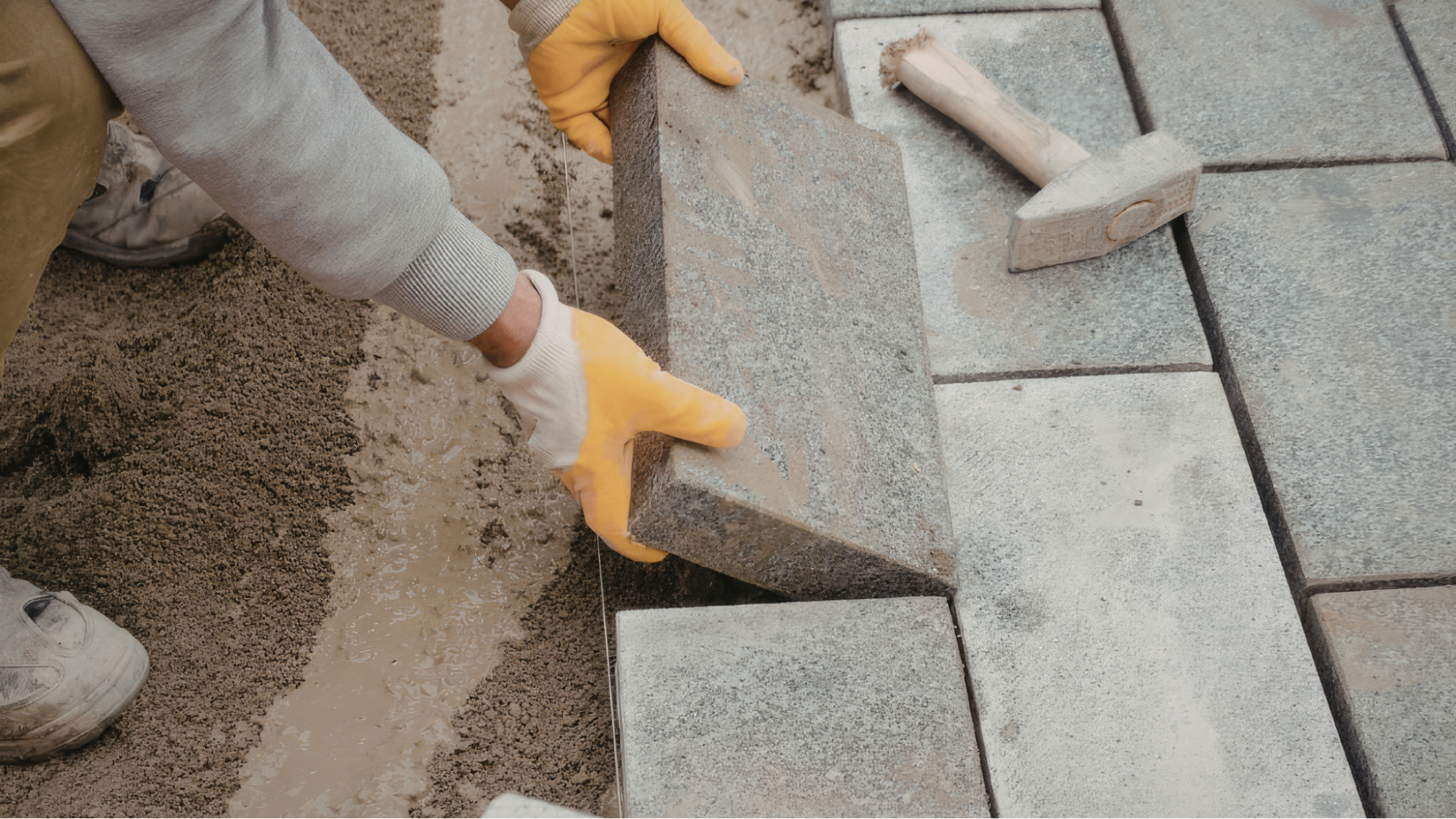
Concrete pavers give you the structural reliability of poured concrete with the flexibility and repairability of individual units. They come in a staggering variety of shapes, sizes, colors, and textures, from smooth modern rectangles to tumbled pieces that look like aged natural stone.
For homeowners who want a polished, designed look without the higher price tag of natural stone or the permanence of a poured slab, concrete pavers hit a sweet spot. They’re also one of the most DIY-friendly pathway options available, since installation doesn’t require special equipment or advanced skills if you’re comfortable following the proper steps.
Like brick pavers, the longevity of a concrete paver walkway comes down to the base preparation. Get that right, and you’ll have a pathway that handles whatever your backyard throws at it.
Choosing the Right Material for Your Backyard
The best pathway material for your space depends on a few key factors: your budget, the level of foot traffic, the overall style of your backyard, and how much ongoing maintenance you’re comfortable with.
If durability and low maintenance are your top priorities, concrete or concrete pavers are hard to beat. If you want character and charm, brick or natural stone will deliver. If you’re working with a tighter budget or want something you can put in yourself over a weekend, gravel is a smart and attractive option.
Whatever direction you go, starting with quality materials makes the entire project easier and the finished product better. That means sourcing from a masonry supply store where the staff actually knows the products and can help you choose the right materials for your specific conditions.
Don’t rely on a big box store where the person in the aisle has never laid a paver in their life. Find a real construction supply near you that specializes in masonry and hardscape materials. The difference in product quality and expert guidance is noticeable from the moment you start planning.
Pioneer Masonry Supply Is Ready to Help
At Pioneer Masonry Supply, we carry the full range of materials you need to build a backyard pathway that looks great and holds up for years. From concrete pavers and natural stone to gravel, sand, edging, and mortar, we stock it all, and we know how to use it.
Our team is here to help you think through your project, calculate your quantities, and make sure you walk out the door with exactly what you need. No guesswork, no upselling, just solid advice from people who know their materials.
Stop by Pioneer Masonry Supply or give us a call today. Your best backyard starts with the right supplies, and we’re ready to help you design it.
Frequently Asked Questions
Q: What materials does a masonry supply store carry for backyard pathways?
A: A well-stocked masonry supply store like Pioneer Masonry Supply typically carries concrete pavers, brick pavers, natural stone, gravel, edging, bedding sand, jointing sand, and mortar. They can also help you calculate quantities and recommend the right base materials for your specific project.
Q: How do I find a reliable construction supply near me for walkway materials?
A: Search for a construction supply near you that specializes in masonry and hardscape rather than a general hardware store. Specialty suppliers carry a broader selection of pathway materials, offer better product quality, and have staff who can give you real guidance on installation and material selection for your specific conditions.
Q: Which pathway material is the most durable option I can find at a masonry supply store?
A: Concrete and brick pavers are among the most durable pathway materials available at any masonry supply store. Both are designed to handle heavy use and harsh weather over decades when installed correctly over a properly compacted base. Natural stone is another long-lasting option for homeowners willing to invest a bit more upfront.