If you’ve ever stood in front of a wall of bags at your local building supplies store, wondering whether to grab the mortar or the cement, you’re not alone. These two materials get mixed up constantly, and the confusion makes sense. They look similar, they’re both gray, and they both play a role in construction. But using the wrong one on your project can cost you time, money, and a whole lot of frustration.
Let’s break it all down in plain language so you walk onto your next job site (or DIY project) with complete confidence
Cement vs. Mortar: What’s Actually in the Bag?
Here’s the foundational truth: cement is an ingredient, not a finished product. Portland cement is a fine powder made from limestone, clay, and other minerals that have been superheated and ground down. On its own, it doesn’t do much. It needs to be mixed with other materials to become useful.
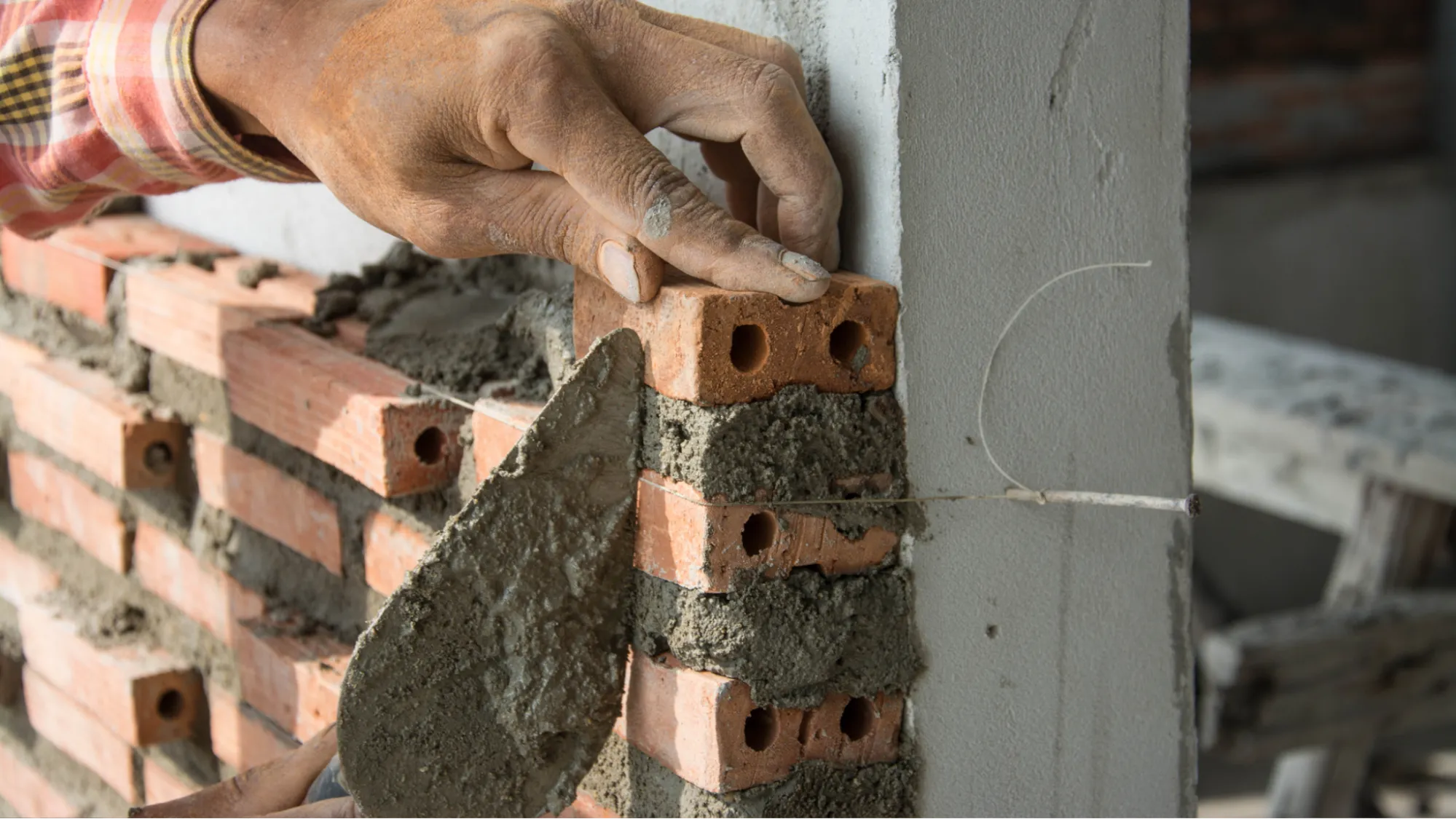
Mortar, on the other hand, is a finished mix. It combines cement with fine sand and water (and sometimes lime) to create a paste specifically designed to bond masonry units together. Think of mortar as the glue between your bricks, blocks, and stones.
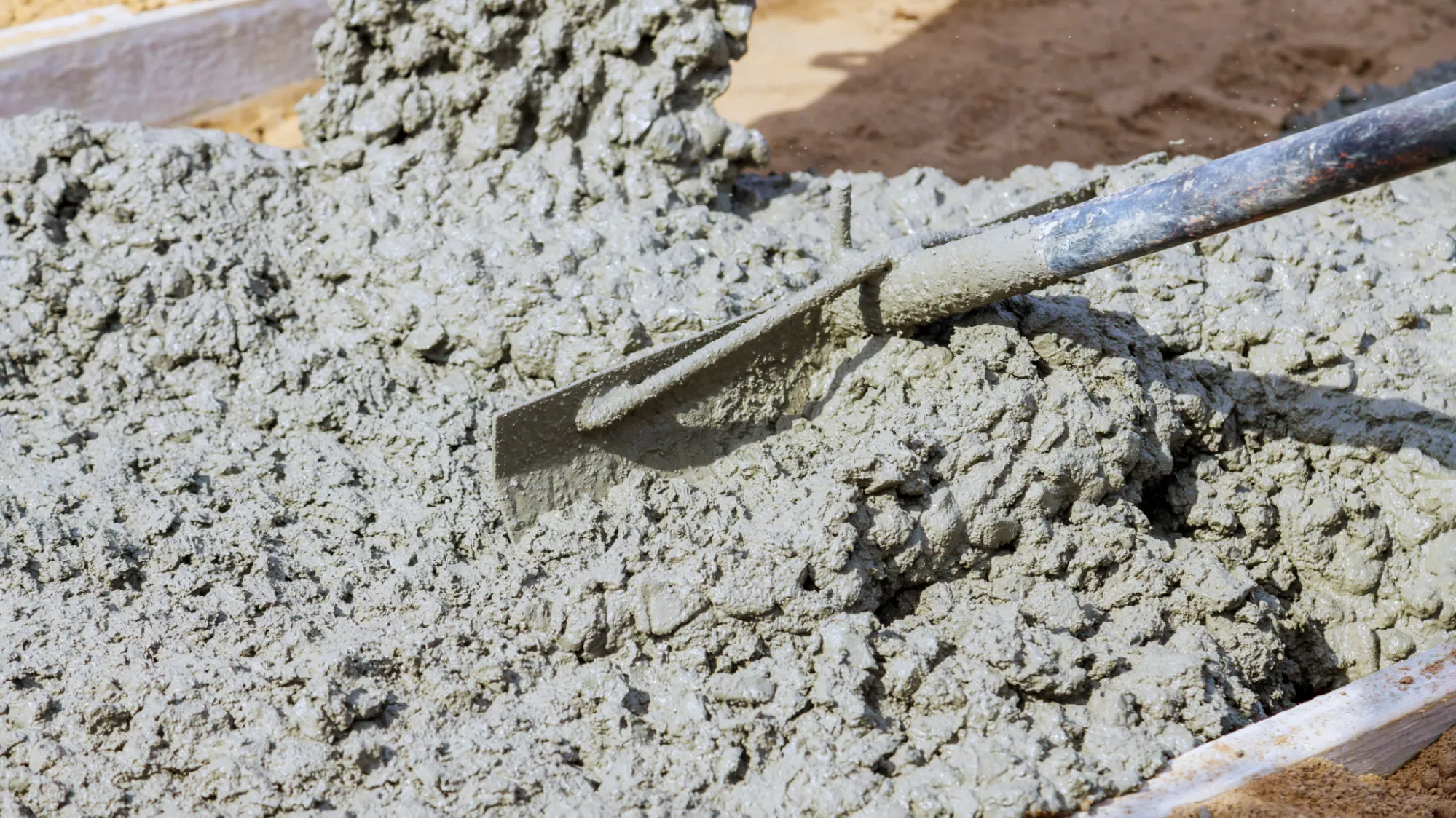
Concrete is another product that uses cement as its base, but it adds coarse aggregate like gravel or crushed stone to the mix. This makes concrete far stronger and more durable under heavy loads.
So, in short, cement is the binding agent. Mortar is cement plus fine sand, used for laying masonry. Concrete is cement plus sand plus coarse aggregate, used for structural builds.
Knowing which one you need isn’t just a technicality. It’s the difference between a project that lasts decades and one that crumbles within a season.
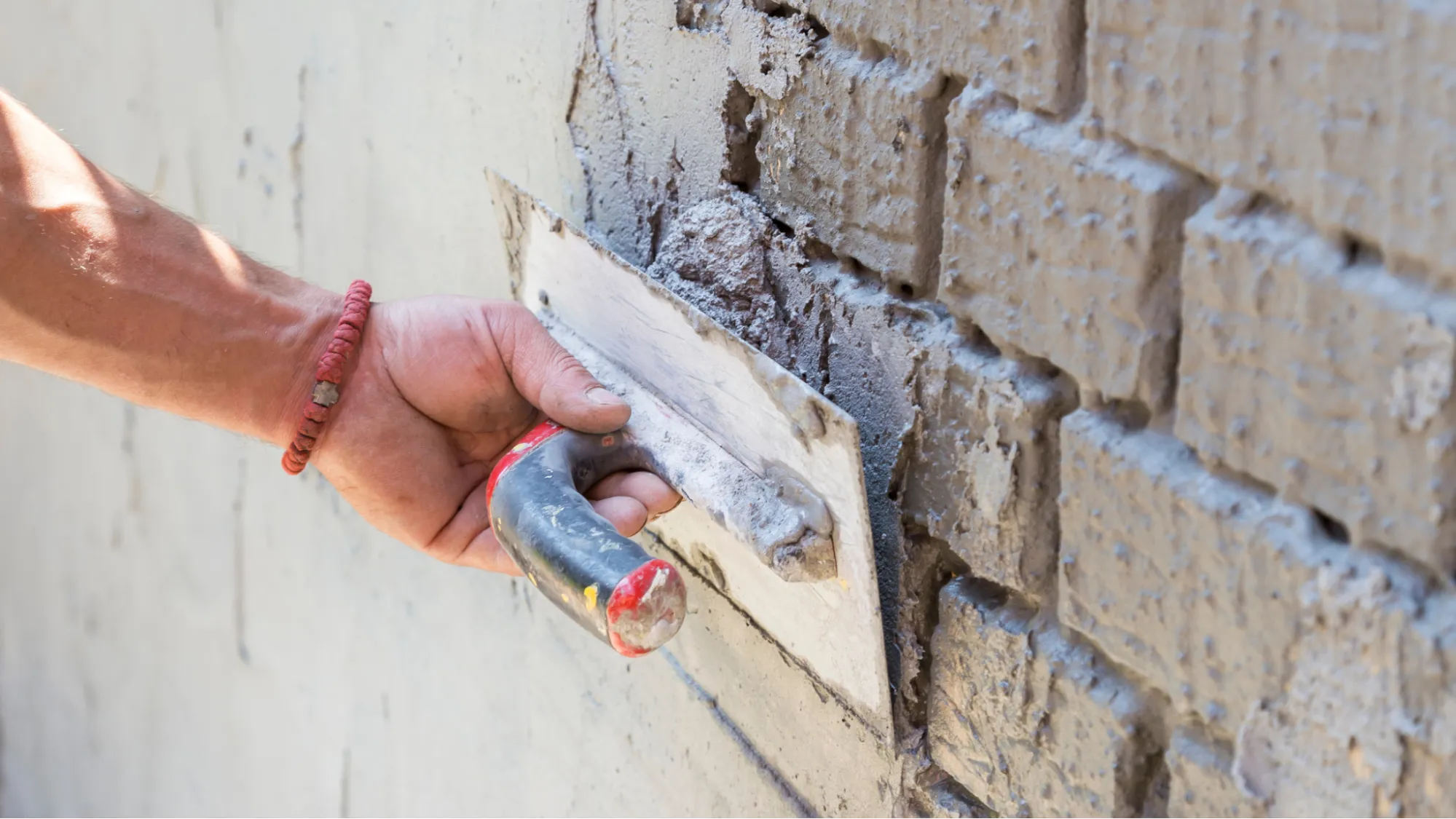
When to Use Mortar
Mortar is your go-to material any time you’re stacking or bonding masonry units. This includes bricklaying, block walls, stone veneers, tile work, and chimney repairs. The consistency and workability of mortar allow you to create thin, even joints that hold everything in place while still allowing for slight movement and flexibility.
Type S, Type N and Type M mortars are formulated for different strength and structural needs. Type N is a general purpose mortar with moderate compressive strength (approximately 750 psi, making it ideal for above-grade walls. Type S offers higher compressive and bond strength (approximately 1,800 psi),making it well suited for below-grade applications, retaining walls, foundations, and areas exposed to soil pressure or high winds. Think of Type S as stickier, stronger and structural. Type M delivers the highest compressive strength (approximately 2,500 psi) and is typically used for heavy load-bearing walls and foundation work where maximum structural capacity is required, though it offers less flexibility than N or S.
One important note: mortar is not the right choice for footings, slabs, driveways, or any application requiring structural strength under load. That’s where concrete steps in.
When to Use Concrete
Concrete is the powerhouse of construction materials. If you’re pouring a foundation, a driveway, a sidewalk, a retaining wall footing, or any surface that needs to handle significant weight and pressure, concrete is what you want.
The coarse aggregate in concrete is what gives it that compressive strength. Without gravel in the mix, you’d have something that looks structurally sound but would crack under real-world loads.
When searching for concrete companies near you, it’s worth asking about mix designs. Not all concrete is the same. The ratio of cement to aggregate to water determines the final strength, typically measured in PSI. Residential driveways often call for 3,000 PSI concrete, while structural elements may require 4,000 PSI or higher. A knowledgeable supplier or contractor will help you land on the right spec.
How to Calculate How Much Gravel You Need
Whether you’re ordering gravel for a drainage layer, a base course under concrete, a driveway, or a decorative landscape application, getting your quantities right saves money and eliminates waste. Here’s how to do it step by step.
Step 1: Measure Your Area
For rectangular or square areas, multiply length by width to get your square footage. A driveway that is 40 feet long and 12 feet wide equals 480 square feet. For circular areas, use the formula: Area = 3.14 x radius x radius.
Step 2: Determine Your Depth
Gravel depth depends on the application. For walkways and light decorative use, aim for 2 to 3 inches. For driveways and heavier use, go 4 to 6 inches deep. For a sub-base under concrete slabs, plan on 4 to 8 inches, depending on your soil conditions. Convert your depth to feet by dividing inches by 12, so 4 inches becomes 0.33 feet.
Step 3: Calculate Cubic Feet
Multiply your area in square feet by your depth in feet. Using our driveway example: 480 square feet x 0.33 feet = approximately 158 cubic feet.
Step 4: Convert to Cubic Yards
Since gravel is typically sold by the cubic yard, divide your cubic feet by 27. In our example, 158 divided by 27 equals approximately 5.9 cubic yards. Round up to 6.
Step 5: Add a Buffer
Always order 10 to 15 percent more than your calculated amount. Gravel compacts when it settles, and having a little extra on hand means you won’t be short at a critical moment.
Once you’ve got your numbers, bring them to a reputable building construction materials supplier who can confirm your calculations and make sure you’re ordering the right type of gravel for your application. Not all gravel is interchangeable. Crushed stone, pea gravel, river rock, and decomposed granite each serve different purposes, and using the wrong one can affect drainage, stability, and long-term performance.
Putting It All Together
The most successful projects start with understanding your materials before the first shovel hits the ground. Using mortar where you need concrete leads to structural failure. Using cement without the right admixtures leaves you with a product that won’t perform. And underestimating your gravel needs can throw your entire project timeline off track.
Whether you’re a contractor managing multiple builds or a homeowner tackling your first hardscaping project, having a trusted source for your building supplies makes all the difference. Quality materials from knowledgeable suppliers mean fewer surprises on the job site and a finished product you’re actually proud of.
Pioneer Masonry Supply Has You Covered
At Pioneer Masonry Supply, we stock everything you need to get your project done right, from Portland cement and premixed mortar to aggregates, gravel, concrete block, and more. Our team knows these materials inside and out, and we’re here to help you choose the right product for every stage of your build. We’re not just a supplier. We’re a resource.
Whether you’re a seasoned contractor or just getting started on your first project, stop in or give us a call. We’ll make sure you leave with exactly what you need and the confidence to use it.
Ready to get started? Contact Pioneer Masonry Supply today and let’s build something that lasts.
Frequently Asked Questions
Q: What’s the difference between mortar and concrete, and will my local building supplies store carry both?
A: Mortar is a cement and fine sand mixture used to bond masonry units like bricks and blocks, while concrete adds coarse aggregate for structural strength, used in slabs, foundations, and driveways. Most building supplies retailers carry both, but a dedicated masonry supplier like Pioneer Masonry Supply will have a wider selection and the expert guidance to help you choose the right product for your job.
Q: How do I find reliable concrete companies near me for a large pour?
A: Start by asking your local building construction materials supplier for referrals, as they work closely with reputable contractors and ready-mix companies in the area. You can also search for concrete companies near you online, check reviews, ask for references, and confirm they offer the right mix design before committing.
Q: Can I calculate my own gravel needs, or should I ask a building construction materials supplier to help?
A: You can absolutely do it yourself using the length x width x depth formula and converting to cubic yards. That said, a knowledgeable building construction materials supplier can verify your numbers, account for compaction rates, and recommend the right gravel type for your application, saving you time and preventing costly material waste.